You are here to read: When Do You Fast During Hajj: Important Guidelines and Tips – A Thoughtfully Written Guide Offering Spiritual Wisdom and Travel Advice for Every Pilgrim who is going on holy journey of Hajj or Umrah.
When do you fast during Hajj? This question is crucial for many who plan to undertake this blessed pilgrimage. In this article, I promise to provide a clear and comprehensive guide on when you fast during Hajj. This topic not only holds spiritual significance but also involves understanding the rituals and principles that govern fasting during this sacred time. You’ll find valuable insights into the fasting schedule and its religious context as we explore the various days that are specifically designated for fasting during Hajj.
Understanding the importance and significance of when you fast during Hajj can deepen your spiritual experience. Fasting offers an opportunity for reflection and devotion, and it connects you even more closely to the essence of faith. With nearly a decade of experience in guiding travelers to Makkah and Madinah since 2016, we at Airlink Hajj and Umrah are well-equipped to support you in this vital aspect of Hajj. I believe that our expertise will help you grasp the essential guidelines and tips related to fasting, making your pilgrimage both fulfilling and meaningful.
When Do You Fast During Hajj: Important Guidelines and Tips
Understanding Fasting During Hajj
Fasting during Hajj is a significant part of the experience for many pilgrims. It not only demonstrates devotion but also serves as a means to connect more deeply with the divine. For some, the act of fasting evolves into a spiritual journey, amplifying their devotion during this holy time. While Hajj itself has many rules and requirements, fasting is primarily associated with the month of Ramadan and certain days outside of it.
During Hajj, the focus shifts from the everyday hustle to spiritual reflection and prayer. Although Hajj has specific rituals and is often misunderstood, fasting is a practice one should consider carefully. Understanding when to fast can enhance your spiritual experience, creating opportunities for prayer and reflection. Learning the guidelines about fasting can help pilgrims feel prepared and spiritually aware.
The Significance of Fasting
Why do we fast? In my opinion, fasting goes beyond mere abstinence from food and drink. Instead, it offers a chance to cleanse the soul and nurture mindfulness. It encourages you to think about those less fortunate and cultivates empathy, compassion, and self-discipline. These are qualities we all can foster, especially during a sacred time like Hajj.
When you engage in fasting, it’s about more than just personal piety; you become part of a larger community. Muslims around the globe fast during Ramadan, united in their spiritual practice. This collective experience can make your Hajj even more meaningful, as you can share in this tradition well beyond the boundaries of Makkah.
Fasting During Ramadan
If your Hajj coincides with the holy month of Ramadan, fasting is obligatory for most Muslims. This includes refraining from food and drink from dawn until sunset. The last part of Ramadan often brings intensifying spiritual practices, culminating in Laylat al-Qadr, also known as the Night of Decree. Many pilgrims find that the atmosphere in Makkah during this time is filled with an electrifying sense of spirituality.
You're at the middle of this awesome post at AirlinkHajjandUmrah.com through: When Do You Fast During Hajj: Important Guidelines and Tips. Keep reading, it gets better!
Plan ahead! Always prepare your meals thoughtfully, considering how your body reacts to fasting. It’s vital to ensure you eat nourishing food during suhoor, the pre-dawn meal, and iftar, the meal to break your fast. Staying hydrated after sunset and before dawn is crucial. Think about consuming fruits and vegetables, as they provide essential nutrients and help maintain your energy levels.
Special Days for Fasting
Even if you aren’t fasting during Ramadan, Hajj provides special days when fasting is particularly recommended. For instance, many people choose to fast during the first nine days of Dhul-Hijjah, which are immensely virtuous. The day of Arafah, the second day of Hajj, is especially significant. Fasting on this day is believed to atone for the sins of the previous year and the year to come.
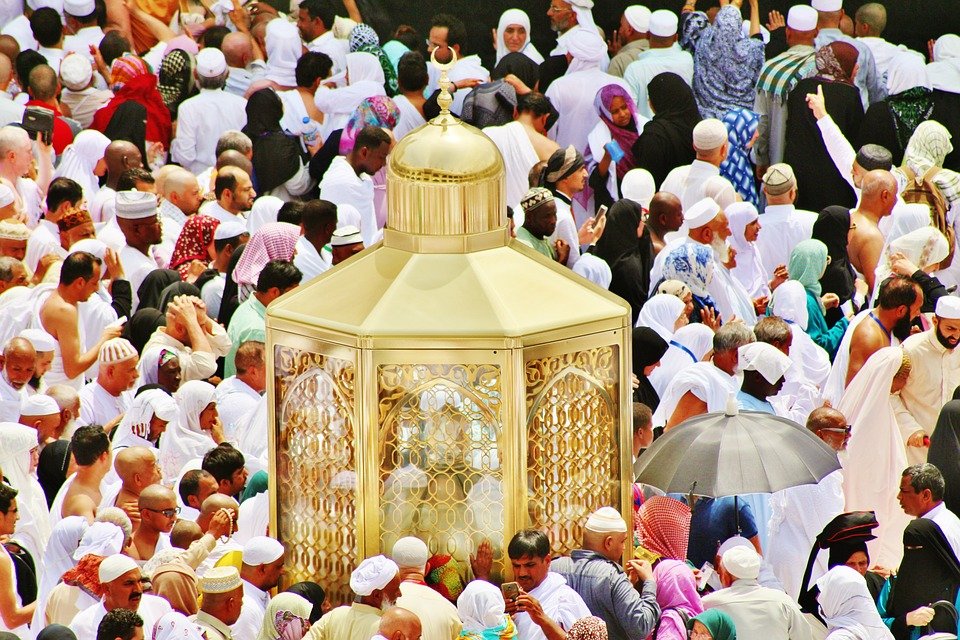
Fasting offers a chance to engage in heightened prayer and reflection on Arafah. Pilgrims gather at the plain of Arafat, where the atmosphere is filled with prayers and supplications. This pivotal day brings great spiritual rewards, and fasting enhances the experience, allowing you to focus on your inner self and surroundings, as you seek closeness with Allah.
Health Considerations
Fasting during intense heat can pose challenges, especially in the climate of Makkah. Listen to your body. If you’re feeling weak or unwell, it might be best not to fast, especially when participating in Hajj rituals, which require physical exertion. Always consult with local scholars or medical advisors to understand your limits and ensure your health remains a priority while you’re on this spiritual path.
Remember, it’s crucial to stay informed about hydration and nutrition before and after fasting. Your body requires sustenance to keep going, particularly during Hajj, known for its physically demanding rituals. Adequate nutrition can bolster your energy levels, enabling you to engage fully in prayer and reflection.
Spiritual Reflection Through Fasting
Fasting isn’t merely about abstaining; it’s an opportunity for introspection and spiritual growth. During Hajj, reflection helps pilgrims appreciate the meaning and significance of their actions. Pause each day to meditate on your intentions and desires. What do you hope to achieve through Hajj? How can fasting help you reach those goals?
Consider keeping a journal during your time in Makkah. Record your thoughts, emotions, and prayers as you navigate fasting and Hajj rituals. This practice can provide insight into your spiritual journey and help create lasting memories, enhancing your connection with the divine and deepening your understanding of your faith.
Final Tips for a Meaningful Experience
As you prepare for Hajj, think about incorporating fasting into your spiritual plan. If you choose to fast during Ramadan or special days, be conscious of your health and well-being. Stay hydrated, eat nutritious meals, and remember that it’s perfectly okay to prioritize your health during this sacred time.
Don’t forget to share your experiences with fellow pilgrims. Exchanging stories can deepen your connections and enrich your understanding of this pilgrimage. Hajj is not just about rituals; it’s about community, spirituality, and growing closer to Allah. Fasting can serve as a catalyst for these experiences, making your time in Makkah truly unforgettable.
That wraps up When Do You Fast During Hajj: Important Guidelines and Tips. Thanks for sticking with us till here! Share this: When Do You Fast During Hajj: Important Guidelines and Tips with your friends.
Check our homepage at Air Link Hajj & Umrah for more awesome updates.
Some interesting posts are: 1: Umrah Mubarak, 2: When is Umrah closed 2026?, 3: When does Umrah start after Hajj 2026?

Mushu, an experienced Saudi Arabia traveler and writer, shares insightful tips and spiritual reflections to enhance Hajj and Umrah journeys for fellow pilgrims. He has been to Makkah and Madina from 2016 to 2023 many times and his posts will reflect this.