You are here to read: What Ten Things Are Forbidden During Hajj: Essential Guide – A Thoughtfully Written Guide Offering Spiritual Wisdom and Travel Advice for Every Pilgrim who is going on holy journey of Hajj or Umrah.
When exploring the topic of “what ten things are forbidden during Hajj,” it’s essential to understand the core practices and prohibitions that every pilgrim must adhere to. This guide will highlight these prohibitions clearly, helping you grasp their significance and relevance during your sacred journey. I promise you will find a thorough and easy-to-understand overview in this article, ensuring you are well-prepared to observe these rules faithfully. By familiarizing yourself with these ten key prohibitions, you will contribute to a more meaningful and spiritually rewarding experience.
Understanding “what ten things are forbidden during Hajj” is vital for every Muslim intending to perform this sacred pilgrimage. These prohibitions not only safeguard the sanctity of the rituals but also enhance personal reflection and devotion. Our team at Airlinkhajjandumrah.com, with nine years of experience in the Umrah and Makkah, Madinah travel field since 2016, stands ready to provide you with reliable and insightful information. I feel confident that our expertise will help you not just to follow the rules, but to truly appreciate the significance of each prohibition during your Hajj.
1. Understanding Hajj and Its Importance
Hajj is a significant pilgrimage for Muslims around the globe. Every year, millions of faithful gather in Mecca, Saudi Arabia, to fulfill this sacred duty. It occurs during the last month of the Islamic lunar calendar, known as Dhu al-Hijjah. Participating in Hajj is not just about the rituals; it’s about spiritual renewal and connecting with the global Muslim community. This journey allows pilgrims to reflect on their faith, seek forgiveness, and strengthen their spiritual bond with Allah.
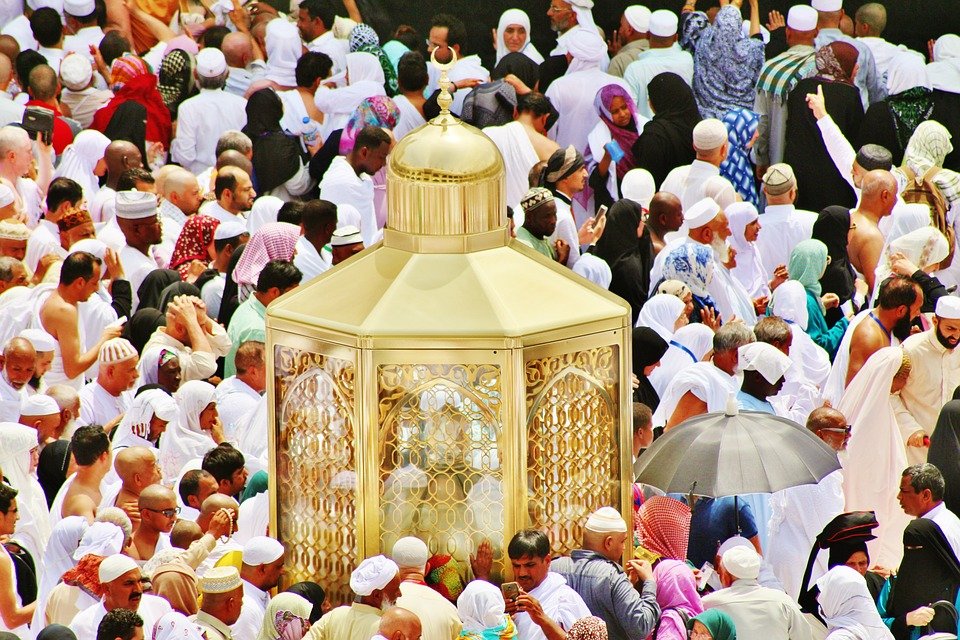
The five pillars of Islam highlight the significance of Hajj. Many believe that performing the pilgrimage at least once in a lifetime is an essential act of devotion. For those who attend, it’s a transformative experience filled with deep personal meaning. The rituals performed during Hajj embody the essence of humility, patience, and unity among Muslims. Each year, the awe-inspiring sight of the kaaba and the prayers echoing in the air create a powerful atmosphere that leaves lasting impressions on the hearts of the pilgrims.
2. The Sacredness of This Pilgrimage
Participating in Hajj symbolizes a journey to spiritual perfection. Pilgrims shed worldly distractions and embrace humility as they prepare for this momentous occasion. It’s important to remember that Hajj involves not just physical preparation, but emotional and spiritual readiness too. The essence of this pilgrimage lies in the intention behind it. Each individual seeks a renewed relationship with Allah and, through this, the quest for inner peace.
The rituals associated with Hajj are rich in history. From circling the kaaba in tawaf to standing at Arafat, every act carries historical significance. These practices remind everyone involved of the shared beliefs and values that connect Muslims across different cultures. The pilgrimage fosters a sense of unity among the participants, making it a unique and cherished experience. It’s not simply a series of rituals; it’s a communal celebration of faith and devotion that many remember for a lifetime.
3. Essential Prohibitions During Hajj
When partaking in Hajj, certain prohibitions are in place to ensure that pilgrims maintain a respectful and spiritual environment. These prohibitions establish the sanctity of the pilgrimage and help pilgrims focus on their relationship with Allah. Understanding what is forbidden can greatly enhance the experience and spirituality of each participant. After all, the goal is to engage in worship without distractions.
You're at the middle of this awesome post at AirlinkHajjandUmrah.com through: What Ten Things Are Forbidden During Hajj: Essential Guide. Keep reading, it gets better!
The prohibitions include actions and behaviors that could diminish the spiritual experience. Therefore, it’s vital to know and respect these boundaries to fully immerse oneself in the pilgrimage. Pilgrims will find that adhering to these guidelines not only enhances their personal experience but also fosters a sense of camaraderie within the community. It helps everyone to remember the main objective of the journey: to renew faith and seek forgiveness.
4. No Cutting Hair or Nails
One significant prohibition during Hajj is the restriction on cutting hair or nails. This rule encourages pilgrims to embrace their natural state during the spiritual journey. Keeping hair and nails untrimmed symbolizes humility and dedication to Allah. It reminds us all that the focus should be on worship, rather than personal appearance. This practice fosters a sense of equality among pilgrims, as everyone shares the same commitment, regardless of their background.
I find it fascinating that this prohibition connects to the broader theme of sacrifice in Hajj. Just as pilgrims give up material comforts during this time, they also let go of personal grooming. The intention behind this is pure: it’s a way to show devotion and sincerity in the eyes of Allah. Even though it may feel a bit uncomfortable at first, many pilgrims embrace this unique aspect of the journey as part of their spiritual growth.
5. No Intimate Relations
Another essential prohibition during Hajj is the avoidance of intimate relations. This rule emphasizes the spiritual focus of the pilgrimage. In this sacred environment, pilgrims are encouraged to think about their faith and connection with Allah, rather than personal desires. Abstaining from such activities allows participants to maintain a pure mindset and dedicate themselves to worship and prayer.
The idea of refraining from intimate relations during Hajj helps create a more profound spiritual experience. It allows pilgrims to immerse themselves in worship, reflecting on their lives and their relationship with Allah. This practice underscores the importance of self-discipline and devotion at such a significant time, ensuring that individuals remain centered on their spiritual Renewal.
6. No Violence or Conflict
During Hajj, it’s paramount to avoid any form of violence or conflict. The pilgrimage embodies peace, and every pilgrim is encouraged to maintain a harmonious atmosphere. Tensions can arise in crowded areas, especially during critical moments like the stoning of the devil or performing tawaf. Remaining calm and peaceful helps uphold the sanctity of the experience and enhances the collective devotion of all participants.
Additionally, refraining from conflict may serve as a reminder of the peaceful values that Islam promotes. Pilgrims are called to embody these principles both during Hajj and after they return to their daily lives. It’s an opportunity to focus on understanding and kindness in a space where everyone is united in purpose. This helps create a sense of belonging among pilgrims and demonstrates the beauty of kindness during such a monumental event.
7. No Use of Perfumes or Fragrances
While Hajj is a time of worship, it’s also essential to adhere to certain rules regarding personal care products. One such prohibition is the use of perfumes or fragrances. This guideline encourages pilgrims to participate with humility and simplicity. The scent of perfumes can distract from the spiritual atmosphere, and focusing on worship and reverence is critical during this time.
In my opinion, this prohibition brings an element of authenticity to the pilgrimage. It allows participants to embrace their natural state and fosters a sense of equality among all pilgrims. With the focus turned away from personal appearances and scents, everyone can concentrate on what truly matters: their worship, connection to Allah, and the blessing of being surrounded by fellow Muslims. By keeping the atmosphere simple and sincere, pilgrims can better appreciate the profound meaning of Hajj.
That wraps up What Ten Things Are Forbidden During Hajj: Essential Guide. Thanks for sticking with us till here! Share this: What Ten Things Are Forbidden During Hajj: Essential Guide with your friends.
Check our homepage at Air Link Hajj & Umrah for more awesome updates.
Some interesting posts are: 1: Umrah Mubarak, 2: When is Umrah closed 2026?, 3: When does Umrah start after Hajj 2026?

Mushu, an experienced Saudi Arabia traveler and writer, shares insightful tips and spiritual reflections to enhance Hajj and Umrah journeys for fellow pilgrims. He has been to Makkah and Madina from 2016 to 2023 many times and his posts will reflect this.