Disclaimer:
The content published on this website is provided for general informational purposes only. Articles are generated with the assistance of artificial intelligence and are reviewed periodically; however, accuracy cannot be guaranteed in all cases. Readers are encouraged to verify important information from reliable and authoritative sources before relying on it. The website does not intend to mislead, and any errors found will be corrected when identified.
The topic of theft and stealing is one that touches upon the very core of societal ethics and individual morality. In Islam, these actions are addressed with clarity and depth within the Quran, emphasizing the importance of honesty and integrity. The Quran guides believers toward a life of righteousness, discouraging any behavior that undermines societal trust and cohesiveness. Understanding these teachings not only deepens one’s faith but also illustrates the profound wisdom behind Islamic law.
At Airlink Hajj and Umrah, we are dedicated to providing comprehensive insights into various aspects of Islamic teachings, including the moral implications of theft as outlined in the Quran. Our blog is a valuable resource for those preparing for their spiritual journeys, such as Hajj and Umrah, ensuring you have access to the latest updates and relevant discussions. By exploring the Quranic verses on theft, we aim to foster a deeper understanding of Islamic ethics, helping you embody these principles in your daily life and during your pilgrimage. Join us as we delve into what the Quran says about theft and stealing, and enrich your spiritual journey with knowledge and reflection.
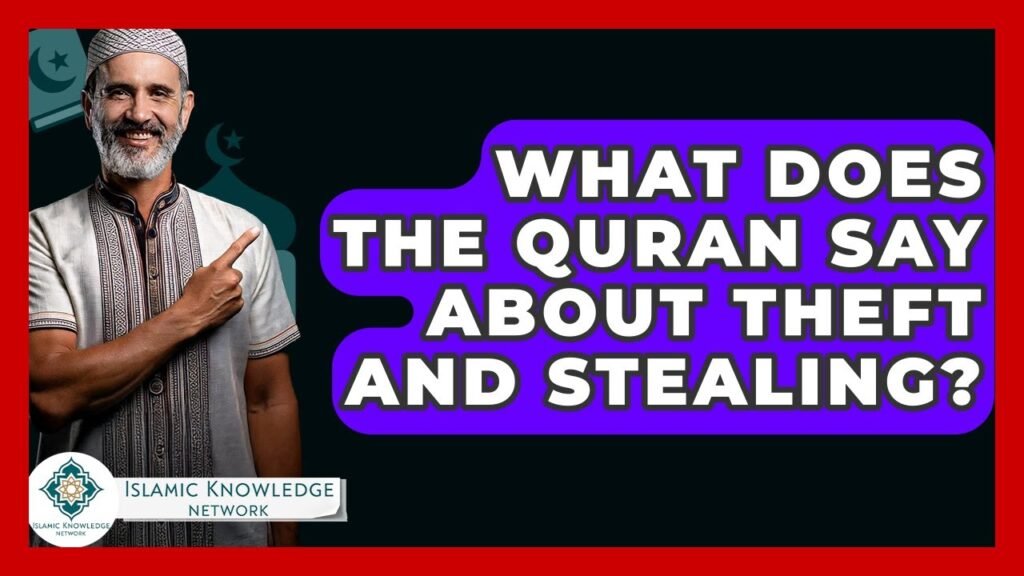
What Does the Quran Say About Theft and Stealing?
The Quran addresses theft and stealing in several verses, emphasizing the importance of honesty and integrity in society. One notable verse is found in Surah Al-Ma’idah (5:38), where it states, "As for the thief, the male and the female, amputate their hands in recompense for what they earned as a deterrent [punishment] from Allah." This verse underscores the seriousness of theft and serves as a deterrent to such actions, promoting a culture of accountability and justice.
Furthermore, the Quran encourages individuals to earn their sustenance through lawful means. Surah Al-Baqarah (2:188) cautions against unlawfully consuming each other’s wealth and emphasizes fairness in trade: "Do not consume one another’s wealth unjustly, nor give one another bribes." This principle fosters a just economic environment, ultimately leading to a harmonious community.
At airlinkhajjandumrah.com, we believe in integrating ethical teachings into our daily lives, highlighting the significance of integrity not just in spirituality but also in our economic interactions. Stay updated with our blog for the latest on Hajj and Umrah, where we emphasize the importance of honesty and ethical behavior in all aspects of life.
FAQ on What Does the Quran Say About Theft and Stealing?
-
What specific punishments does the Quran prescribe for theft?
The Quran outlines specific consequences for theft, including the potential amputation of a hand for repeat offenders. This severe punishment is intended to deter theft in society. -
How does the Quran differentiate between minor theft and major theft?
The Quran acknowledges the severity of theft based on the circumstances, including the value of the stolen goods and the intent. Minor acts may be treated with more leniency compared to major thefts involving significant loss or impact. -
What are the moral teachings regarding theft in the Quran?
The Quran emphasizes honesty, integrity, and respect for others’ property. It teaches that stealing is a sin against both individuals and God, urging believers to earn their livelihood through lawful means.
-
Are there any conditions under which theft can be excused in the Quran?
The Quran acknowledges the context of necessity, suggesting that if a person is in dire need and has no other means of survival, this may influence the moral judgment regarding their actions. - What role do community and justice play in addressing theft according to the Quran?
The Quran stresses the importance of community cohesion and justice, advocating for the protection of everyone’s rights. It encourages individuals to seek resolution through legal means and offers forgiveness as an option in some situations.

Mushu, an experienced Saudi Arabia traveler and writer, shares insightful tips and spiritual reflections to enhance Hajj and Umrah journeys for fellow pilgrims. He has been to Makkah and Madina from 2016 to 2023 many times and his posts will reflect this.