You are here to read: What Do You Do at Hajj? Essential Rituals and Guidance – A Thoughtfully Written Guide Offering Spiritual Wisdom and Travel Advice for Every Pilgrim who is going on holy journey of Hajj or Umrah.
When exploring what do you at Hajj, you’ll find it encompasses a series of profound and sacred rituals that every Muslim seeks to fulfill. In this article, I promise to guide you through the essential practices involved in Hajj, ensuring you gain a clear understanding of what to expect during this significant pilgrimage. What do you at Hajj? From the spiritual acts of worship to the rituals that connect you with thousands of others, I aim to provide you with valuable insights that will enhance your experience and preparation.
Understanding what you do at Hajj is crucial as it holds immense significance in Islam. In my opinion, each ritual performed during Hajj strengthens your faith and sense of community with fellow Muslims. Our team at Airlink Hajj and Umrah has over nine years of experience in Makkah and Madinah travel. We specialize in offering expert advice on “What Do You Do at Hajj? Essential Rituals and Guidance,” making sure you feel well-prepared for this remarkable experience. I believe that through our insights, you can approach Hajj with confidence and a deeper appreciation of its meaning.
Understanding Hajj
Hajj is not just a trip; it’s a special pilgrimage that every able Muslim must undertake at least once in their lifetime. This sacred journey takes place in Makkah, Saudi Arabia, and is full of meaningful traditions and rituals. Each year, millions of people from around the globe come together to perform this important duty. They do this to show their devotion to Allah and to seek forgiveness for sins.
The essence of Hajj lies in its deep spirituality and communal experience. For many, it’s a chance to reflect, connect with their faith, and appreciate the diversity of the Muslim community. When you participate in Hajj, you become part of a larger family of believers, all united in their pursuit of spiritual fulfillment. This sense of togetherness makes Hajj a truly remarkable occasion.
Preparing for Hajj
Before embarking on this incredible pilgrimage, preparation is key. It’s essential to gather information, books, and maybe even talk to those who have already experienced Hajj. This helps create a sense of what to expect. Packing light is also important since you might find yourself walking long distances in the heat. Think of practical items like comfortable shoes, water bottles, and your prayer mat.
In addition, mental preparation is just as important as the physical. Spend time reflecting on your intentions for the pilgrimage. What do you hope to achieve spiritually? Creating a plan can help focus your mind and heart. Taking part in local study groups or classes can deepen your understanding of the rituals that await you in Makkah.
The Essential Acts of Hajj
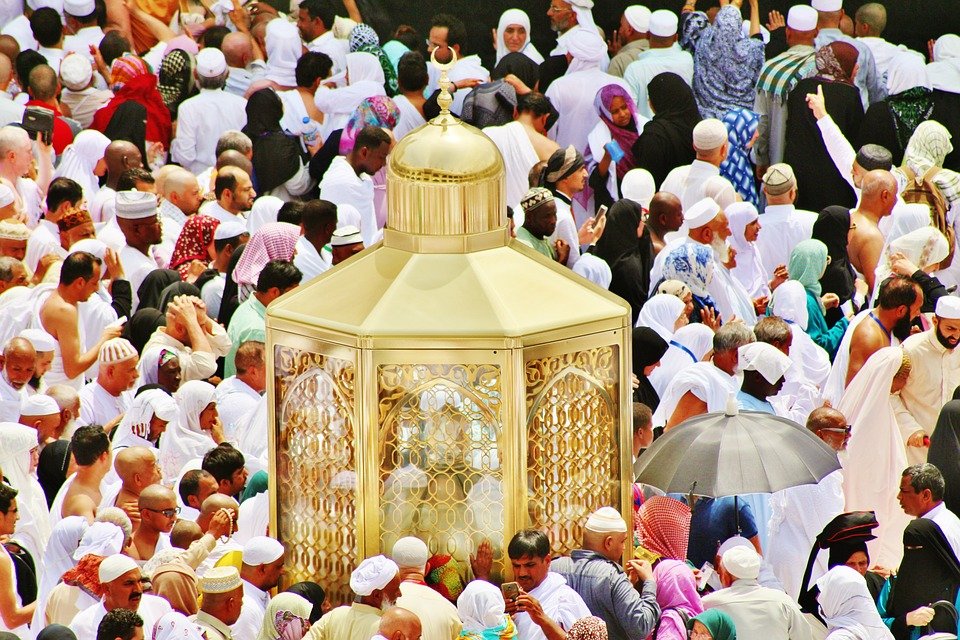
During Hajj, you will engage in several important rituals, each holding unique significance. One of the first acts is Tawaf, which involves circling the Kaaba seven times in a counterclockwise direction. This act symbolizes unity among Muslims and is a beautiful reminder of the oneness of God. You’ll notice how everyone, regardless of their background, performs this act with equal devotion.
You're at the middle of this awesome post at AirlinkHajjandUmrah.com through: What Do You Do at Hajj? Essential Rituals and Guidance. Keep reading, it gets better!
Another crucial ritual is the standing at Arafat, or Wuquf. This occurs on the ninth day of Dhu al-Hijjah and is considered a highlight of the pilgrimage. Standing in prayer and supplication during this moment is like a direct line to Allah. It’s an opportunity for deep reflection and seeking forgiveness. The air feels electric with devotion, making this moment unforgettable.
Performing Tawaf
Tawaf is more than just walking around the Kaaba; it’s a profound expression of faith. As you circle, it’s essential to maintain a spirit of humility and focus. Each step you take brings you closer to fulfilling a divine command. The energy in the air is palpable, with fervent prayers echoing all around.
While engaging in Tawaf, you can whisper your desires and hopes to Allah. Some choose to recite specific prayers or verses from the Quran. The act of circling the Kaaba connects you to the history of prophets and believers who have come before. This connection boosts your sense of purpose during Hajj.
The Importance of Standing at Arafat
Standing at Arafat is truly a heartwarming experience. This act is all about devotion, prayer, and asking for Allah’s mercy. When you stand there, you are not alone. Thousands are doing the same, each pouring out their souls in prayer. The sense of community and shared faith creates a powerful atmosphere that lingers in your heart long after the pilgrimage is over.
During this time, it’s vital to focus on your intentions. Some people choose to recite specific prayers, while others may simply talk to Allah about their hopes and dreams. It’s a moment of deep spirituality, where you truly feel the weight of your faith and find solace in your beliefs. The experience is sometimes so overwhelming that it brings many to tears.
Experiencing the Ritual of Rami
The ritual of Rami, or the stoning of the devil, takes place after Arafat. Pilgrims throw stones at three pillars that symbolize the devil’s temptation. It’s a powerful physical representation of rejecting evil in our lives. This act emphasizes the importance of resisting temptation and staying true to one’s faith.
The atmosphere during Rami can be electric. As people gather to participate, they become united in purpose. The act itself can feel like an intense moment of reflection, reminding us of the struggles we face daily. By actively engaging in this part of Hajj, pilgrims reaffirm their commitment to living a righteous life.
Concluding the Pilgrimage with Eid al-Adha
Hajj culminates with the celebration of Eid al-Adha, a festival of sacrifice. After completing the rituals, many pilgrims participate in the sacrifice of an animal, often a sheep or goat. This act symbolizes sharing blessings and being grateful for the abundance in life. It’s a sweet reminder to provide for ourselves and our communities.
Eid al-Adha brings an atmosphere of joy and gratitude to the conclusion of Hajj. Families come together to enjoy festive meals and share in the joy of giving. The teachings learned during the pilgrimage help to carry on compassion, kindness, and a sense of community. It’s a fantastic way to wrap up the journey, celebrating the bonds forged during this sacred experience.
That wraps up What Do You Do at Hajj? Essential Rituals and Guidance. Thanks for sticking with us till here! Share this: What Do You Do at Hajj? Essential Rituals and Guidance with your friends.
Check our homepage at Air Link Hajj & Umrah for more awesome updates.
Some interesting posts are: 1: Umrah Mubarak, 2: When is Umrah closed 2026?, 3: When does Umrah start after Hajj 2026?

Mushu, an experienced Saudi Arabia traveler and writer, shares insightful tips and spiritual reflections to enhance Hajj and Umrah journeys for fellow pilgrims. He has been to Makkah and Madina from 2016 to 2023 many times and his posts will reflect this.