You are here to read: What Are the Risk Factors During Hajj: Essential Insights – A Thoughtfully Written Guide Offering Spiritual Wisdom and Travel Advice for Every Pilgrim who is going on holy journey of Hajj or Umrah.
When considering “what are the risk factors during Hajj,” it’s essential to prepare for the journey with a clear understanding of these potential challenges. Hajj, one of the five pillars of Islam, draws millions of pilgrims to the holy sites in Makkah. However, the large crowds, varying health conditions, and environmental factors can pose risks that every pilgrim should be aware of. In this article, I promise to provide a thorough guide about the risk factors during Hajj, ensuring you are informed and prepared for this significant pilgrimage.
Understanding “what are the risk factors during Hajj” is crucial for ensuring a safe and fulfilling experience. We aim to highlight the importance of recognizing these factors, as they can significantly affect your journey. With nine years of expertise in the Umrah and Makkah travel field since 2016, we at Airlinkhajjandumrah.com have gathered valuable insights to help you navigate these challenges. I feel that being informed can enhance your spiritual experience, allowing you to focus on the profound significance of Hajj without unnecessary worry.
What Are the Risk Factors During Hajj: Essential Insights
Understanding the Ritual of Hajj
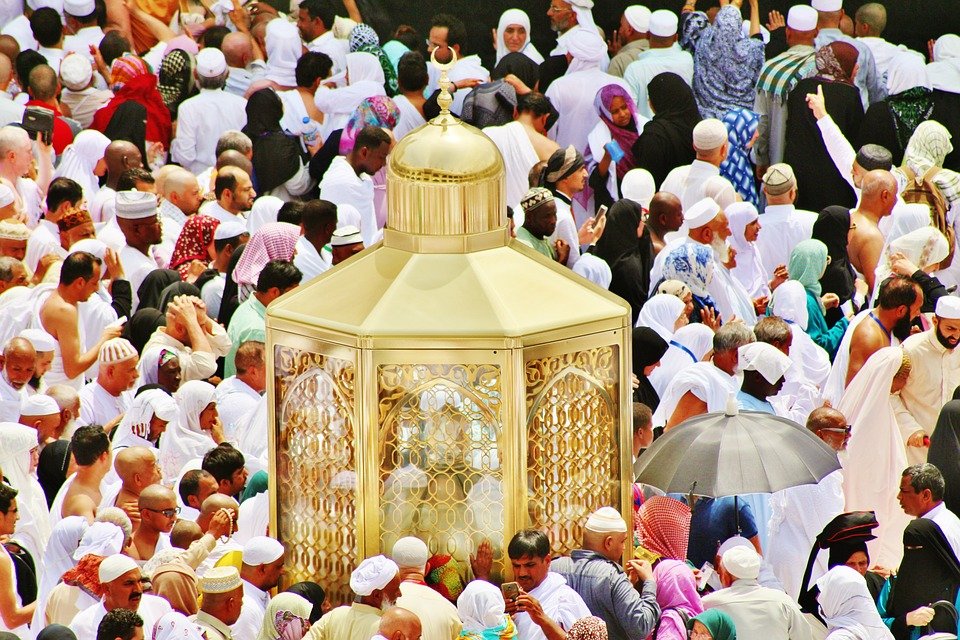
Hajj is an extraordinary pilgrimage that draws millions of Muslims together every year. It serves as a profound spiritual experience, offering the chance to seek forgiveness and reflect on one’s life. During this sacred time, a large number of people gather in places like Makkah and Madinah, participating in traditional rituals. However, this connection among people can sometimes lead to challenges. The sheer number of participants can create situations that might pose risks. It’s essential to understand these aspects to help ensure a safe pilgrimage.
Just imagine being surrounded by thousands of people, all feeling the same sense of spiritual urgency. This atmosphere is truly unique but can also be overwhelming. The emotional weight of the pilgrimage adds another layer of complexity. When people feel anxious or stressed, it can lead to various risks, from health issues to safety concerns. Knowing what to observe can make all the difference.
Health Concerns: Staying Safe During Hajj
One of the biggest risks during Hajj relates to health. With so many people in close proximity, illnesses can spread rapidly. It’s essential for pilgrims to take preventive measures. Simple practices like frequent hand-washing and using hand sanitizer can greatly reduce the chances of getting sick. I think it’s wise for everyone to carry essential medicines, such as those for headaches or allergies, just in case.
Moreover, certain health conditions can be exacerbated by the environment. The combination of heat, crowds, and exhaustion can take a toll on anyone’s body. It’s important to stay hydrated and take breaks when needed. Participating in Hajj is physically demanding, so listening to your body is vital. If you feel dizzy or overly fatigued, resting can help prevent more serious health issues.
Understanding the Risk of Stampedes
Every year, there are reports of stampedes during Hajj, causing injuries and sometimes fatalities. This risk arises primarily due to the massive density of people trying to reach the same religious sites. History has shown us incidents where individuals have been injured in the chaos. It’s crucial for pilgrims to be aware of their surroundings and to remain calm in crowded situations.
You're at the middle of this awesome post at AirlinkHajjandUmrah.com through: What Are the Risk Factors During Hajj: Essential Insights. Keep reading, it gets better!
I believe that having a group plan before you arrive can minimize panic. Familiarizing yourself with important locations and having designated meeting spots for your group can reduce the chance of getting separated. Everyone should stay alert, listen to the guiding authorities, and follow instructed pathways. Clear communication among group members can help ensure everyone arrives safely at their destinations.
Environmental Risk Factors
The weather during Hajj can vary, but the heat is often a significant concern. Many pilgrims experience exhaustion or heat-related illnesses due to the high temperatures. It’s important to wear light clothing and to protect oneself from the sun’s rays. This can be the difference between feeling energized and feeling drained.
In addition to the heat, the environment can also change. Sandstorms or sudden rain can catch you off guard. We should always check weather forecasts and be prepared with appropriate gear. Carrying a small backpack with items like water, snacks, and sunblock can make a world of difference during the day’s activities.
Accessibility Challenges
Finding your way around Makkah and Madinah can be challenging, especially for those who might have difficulties with mobility. The crowded streets and long lines at popular sites can be overwhelming. Many facilities are available to assist, yet they may not serve all needs perfectly. Therefore, it’s vital to plan ahead.
If you’re traveling with someone who has special needs, I suggest reaching out to local services that provide assistance and resources. Using mobility aids, like wheelchairs or scooters, can help make the experience smoother. Finding the right accommodation that caters to those needs is essential. Planning to avoid peak times can also enhance the travel experience.
Cultural Sensitivities and Misunderstandings
Another risk factor during Hajj involves cultural sensitivities. People from diverse backgrounds unite for this pilgrimage, and not everyone may share the same understanding of customs. This mix can lead to misunderstandings. I feel that being respectful and open-minded goes a long way. We should be considerate of others’ beliefs and practices.
To minimize cultural shocks, it’s good to familiarize oneself with common customs practiced in Makkah and Madinah. Simple gestures, like learning a few Arabic phrases or understanding local traditions, can make interactions more pleasant. Dialogue and engagement can foster unity and help us appreciate each other’s experiences.
Conclusion: Making the Most of Your Hajj Experience
Participating in Hajj is both an honor and responsibility. Awareness of the risks involved plays a crucial role in making the experience both memorable and safe. By understanding health concerns, environmental factors, and the dynamics of large crowds, we can take steps that enhance our pilgrimage experience.
In my opinion, the key to a rewarding Hajj lies in preparation and mindfulness. Being mindful of ourselves and each other contributes to a community spirit that makes the pilgrimage truly remarkable. Use available resources, prepare for the unexpected, and embrace the spiritual journey before you. Regardless of the challenges that may arise, the experience can still be profound and enlightening.
That wraps up What Are the Risk Factors During Hajj: Essential Insights. Thanks for sticking with us till here! Share this: What Are the Risk Factors During Hajj: Essential Insights with your friends.
Check our homepage at Air Link Hajj & Umrah for more awesome updates.
Some interesting posts are: 1: Umrah Mubarak, 2: When is Umrah closed 2026?, 3: When does Umrah start after Hajj 2026?

Mushu, an experienced Saudi Arabia traveler and writer, shares insightful tips and spiritual reflections to enhance Hajj and Umrah journeys for fellow pilgrims. He has been to Makkah and Madina from 2016 to 2023 many times and his posts will reflect this.