You are here to read: How Many People Do the Hajj? Insights and Facts Explained – A Thoughtfully Written Guide Offering Spiritual Wisdom and Travel Advice for Every Pilgrim who is going on holy journey of Hajj or Umrah.
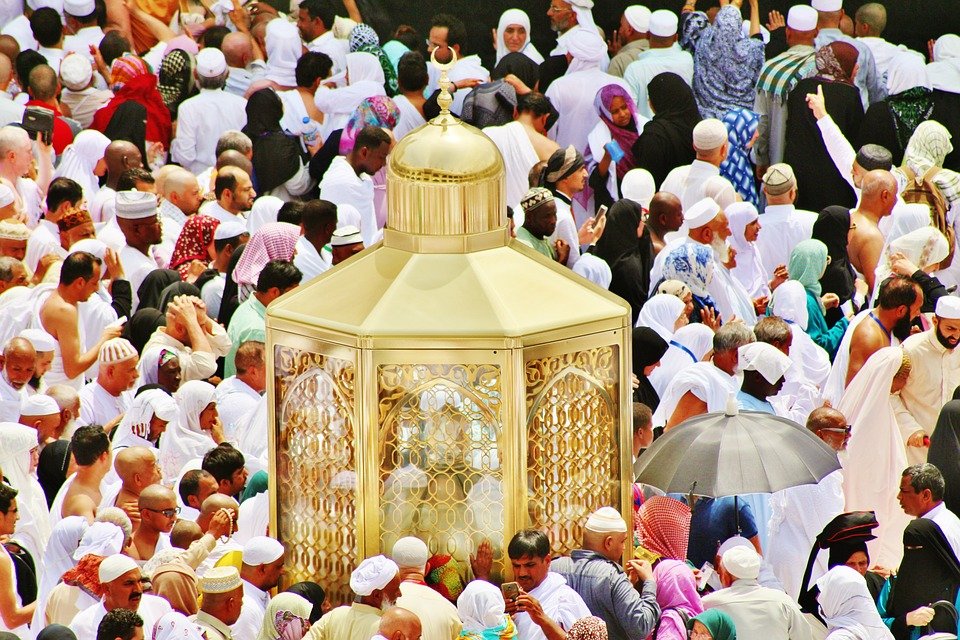
Every year, millions of Muslims participate in Hajj, one of the largest religious gatherings in the world. Over 2 million people perform the Hajj pilgrimage annually, making this event truly monumental. In this article, “how many people do the Hajj,” I promise you’ll find a comprehensive guide that breaks down the numbers and provides insights into the pilgrimage’s significance. Hajj isn’t just a routine; it’s an essential practice that shapes the spiritual lives of those who embark on it.
The importance of knowing how many people do the Hajj goes beyond mere numbers; it reflects the unity and faith of the Muslim community worldwide. In my opinion, understanding this aspect of Hajj can deepen our appreciation for its significance. With over nine years of experience in the travel field for Umrah and Makkah, Madinah, we at Airlinkhajjandumrah.com have the expertise to offer detailed insights into this monumental event. Through this article, we aim to provide you with clear and valuable information about the vast numbers of people who fulfill this vital religious obligation.
Understanding the Hajj
Hajj is an incredibly significant pilgrimage for Muslims around the world. Every year, millions of visitors travel to the holy city of Makkah in Saudi Arabia to perform this sacred duty. Hajj takes place during the Islamic month of Dhul-Hijjah, a time filled with devotion and spirituality. Each year, the number of people participating varies, but it is always in the millions.
Going on Hajj is a dream for many Muslims, and the preparation for this journey often begins years in advance. It’s not only about the physical travel; it’s also a time for spiritual reflection and renewal. Many feel this pilgrimage brings them closer to their faith and to other believers from different cultures and backgrounds. So, how many people do the Hajj? Let’s explore that together!
The Historic Numbers
Historically, the number of people who perform Hajj has been growing steadily over the years. For instance, in the early days of Islam, only a few thousand pilgrims made the journey. However, in recent years, statistics show that around two to three million people attend every Hajj season. Isn’t it remarkable how this pilgrimage has drawn in so many believers?
The Saudi government implements various measures to manage these large crowds. They often limit the number of pilgrims based on country quotas, ensuring that the experience remains safe and meaningful. These rules help keep things organized and create a respectful environment for everyone involved. In 2020, the number of pilgrims was drastically reduced due to the global health crisis, but typically, we see vibrant crowds during the pilgrimage.
The Spirit of Community
One wonderful aspect of Hajj is the sense of community it fosters. Muslims from all corners of the globe gather for this spiritual event, creating an atmosphere filled with unity. Whether you’re from Indonesia, Nigeria, or the United States, you stand shoulder to shoulder in prayer and reflection. This shared experience deepens the bonds among attendees and highlights the beauty of diverse cultures coming together.
You're at the middle of this awesome post at AirlinkHajjandUmrah.com through: How Many People Do the Hajj? Insights and Facts Explained. Keep reading, it gets better!
As pilgrims perform rituals at various sites, you can feel the collective energy of faith and hope. Many individuals form friendships that last a lifetime, as they share stories of their personal journeys. Each person brings a unique background, and together, they create a powerful tapestry of mutual respect and understanding. When one participates in Hajj, it is not just a personal journey; it’s a shared commitment to faith and fellowship.
Important Rituals and Their Meaning
The rituals of Hajj are filled with deep significance. Each act, from the Tawaf to the standing at Arafat, plays a crucial role in connecting pilgrims with their faith. For instance, during Tawaf, believers walk around the Kaaba seven times, which symbolizes unity among worshippers in the eyes of God. This act not only represents devotion but also a physical manifestation of a spiritual journey.
Another pivotal moment occurs during the Day of Arafat, when millions gather at the plain of Arafat to pray and reflect. This day is considered the pinnacle of Hajj, and for many, it’s a time of deep spirituality. Attendees believe their prayers will be answered. It’s a moment where one can feel a profound connection with their faith and their fellow believers, creating unforgettable memories and experiences.
Traveling to Hajj: What to Know
Planning for Hajj requires careful consideration, as logistics can be complex. Pilgrims often join organized groups that provide guidance and support during the journey. These groups usually include experienced tour operators who help newcomers navigate through the various rituals and requirements. Traveling with a knowledgeable group ensures that everyone can focus on their spiritual duties without added stress.
It’s essential to prepare physically and mentally for Hajj. Pilgrims often walk significant distances, so being in good health is vital. Staying hydrated and managing expectations related to the crowds can make the experience much more enjoyable. Completing Hajj is not only a test of faith but also of endurance, as the journey can be physically demanding yet deeply rewarding.
Cultural and Global Impact
The impact of Hajj goes beyond religious devotion; it influences cultures and economies as well. The influx of millions of pilgrims boosts local businesses, from hotels to restaurants. It’s fascinating to see how Makkah transforms during this time into a vibrant hub of spirituality and commerce. This pilgrimage is not just crucial for individual believers, but it also has a significant effect on the local and global economy.
Culturally, Hajj promotes understanding among diverse communities. When people from various backgrounds come together, they exchange traditions, ideas, and experiences. This sharing serves as a bridge that connects different cultures. In my opinion, such interactions help foster a sense of peace and understanding that is essential in our world today.
The Future of Hajj Pilgrimage
As we look ahead, the future of Hajj remains bright. Authorities are focused on enhancing the experience for pilgrims while maintaining safety and spiritual integrity. Innovations in technology and infrastructure will likely improve the pilgrimage experience, making it easier for people to fulfill their spiritual obligations.
We can also expect that with changing demographics, more Muslims from different parts of the world will undertake this journey. As awareness about the importance of Hajj grows, so does the dream of participating. In the coming years, it will be intriguing to see how Hajj continues to adapt while preserving its rich traditions and deep meanings.
With so many people dedicating their time and faith to this pilgrimage, the numbers may keep rising. Through the shared experiences and rituals of Hajj, we witness the enduring spirit of faith that unites us all, transcending boundaries and differences.
That wraps up How Many People Do the Hajj? Insights and Facts Explained. Thanks for sticking with us till here! Share this: How Many People Do the Hajj? Insights and Facts Explained with your friends.
Check our homepage at Air Link Hajj & Umrah for more awesome updates.
Some interesting posts are: 1: Umrah Mubarak, 2: When is Umrah closed 2026?, 3: When does Umrah start after Hajj 2026?

Mushu, an experienced Saudi Arabia traveler and writer, shares insightful tips and spiritual reflections to enhance Hajj and Umrah journeys for fellow pilgrims. He has been to Makkah and Madina from 2016 to 2023 many times and his posts will reflect this.