Disclaimer:
The content published on this website is provided for general informational purposes only. Articles are generated with the assistance of artificial intelligence and are reviewed periodically; however, accuracy cannot be guaranteed in all cases. Readers are encouraged to verify important information from reliable and authoritative sources before relying on it. The website does not intend to mislead, and any errors found will be corrected when identified.
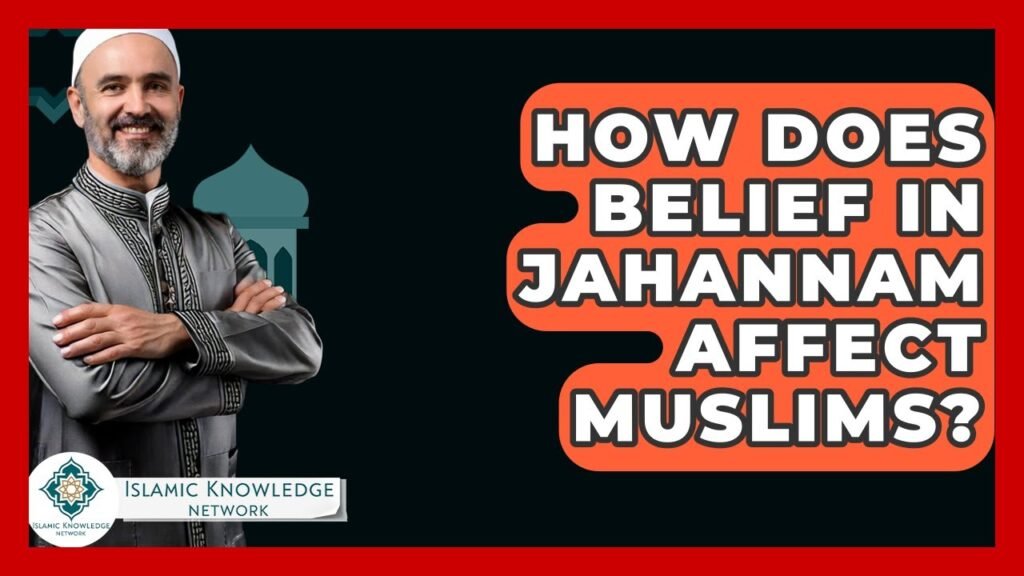
How Does Belief In Jahannam Affect Muslims? – Islamic Knowledge Network
The concept of Jahannam, or Hell, is a significant aspect of Islamic theology that shapes the moral and ethical framework for Muslims around the world. For believers, the understanding of Jahannam serves not only as a warning against sinful behavior but also as a motivation to lead a life grounded in faith, righteousness, and compliance with Islamic teachings. This belief reinforces the importance of accountability in the hereafter, reminding individuals of the consequences of their actions in this life.
At Airlink Hajj and Umrah, we recognize the profound impact that such beliefs have on the spiritual journey of Muslims. As pilgrims prepare for their sacred journeys, the understanding of Jahannam influences their intentions and devotion. Our blog is dedicated to providing comprehensive updates and insights on Hajj and Umrah, ensuring that every Muslim is equipped with the knowledge to enhance their spiritual experience. Through discussions on various theological concepts, including Jahannam, we aim to deepen understanding and foster a strong sense of community among Muslims preparing for these transformative pilgrimages. Join us in exploring how these foundational beliefs shape lives and encourage devotion to faith.
How Does Belief in Jahannam Influence Muslims’ Lives?
Belief in Jahannam, or Hell, profoundly shapes the lives of Muslims, instilling a sense of accountability and guiding daily behavior. The concept serves as a reminder of the consequences of one’s actions in this life and the hereafter. By acknowledging the existence of Jahannam, Muslims are encouraged to lead a righteous life, adhering to the teachings of the Quran and Sunnah. This belief fosters ethical decision-making and increases mindfulness in daily activities, empowering individuals to seek forgiveness and act with compassion.
Moreover, the understanding of Jahannam propels many Muslims to engage in good deeds and charitable acts. By avoiding sinful behavior and striving to please Allah, they aim to ensure a favorable outcome in the afterlife. This heightened sense of purpose not only influences personal growth but also strengthens community ties, as individuals often work together to support and uplift one another in their spiritual journeys.
At Airlink Hajj and Umrah, we recognize the spiritual significance of these beliefs. Our blog provides the latest updates on Hajj and Umrah, helping pilgrims fulfill their religious obligations while deepening their faith. Understanding the implications of Jahannam can motivate Muslims to embark on their spiritual journey with sincerity and dedication.
FAQ on “How Does Belief in Jahannam Influence Muslims’ Lives?”
FAQs: How Does Belief in Jahannam Influence Muslims’ Lives?
-
What is Jahannam in Islamic belief?
Jahannam is the Islamic concept of hell, a place of punishment for those who have sinned and rejected God’s guidance. -
How does the belief in Jahannam shape moral behavior among Muslims?
Belief in Jahannam encourages Muslims to adhere to ethical principles and engage in righteous actions, acting as a deterrent against sinful behavior. -
In what ways does Jahannam influence daily decision-making for Muslims?
Muslims may consider the consequences of their choices, seeking to live a life aligned with Islamic teachings to avoid punishment in the afterlife.
-
Does the concept of Jahannam affect relationships and community interactions?
Yes, the belief can foster a sense of accountability and mutual encouragement among community members to support one another in maintaining good conduct. - How is the fear of Jahannam balanced with hope for forgiveness in Islam?
While Jahannam serves as a warning, the belief in God’s mercy and the possibility of repentance provides a balanced perspective, motivating Muslims to seek forgiveness and strive for righteousness.

Mushu, an experienced Saudi Arabia traveler and writer, shares insightful tips and spiritual reflections to enhance Hajj and Umrah journeys for fellow pilgrims. He has been to Makkah and Madina from 2016 to 2023 many times and his posts will reflect this.