You are here to read: Hajj Cancelled in 1979: Impact and Historical Significance – A Thoughtfully Written Guide Offering Spiritual Wisdom and Travel Advice for Every Pilgrim who is going on holy journey of Hajj or Umrah.
In this article, I will address the intriguing question: was Hajj cancelled in 1979? This significant event in Islamic history is often discussed among scholars and enthusiasts alike. I believe that understanding the circumstances surrounding the 1979 Hajj cancellation can provide a clearer picture of its implications. Throughout this article, I promise to guide you through the details, helping you grasp why this topic is vital for anyone interested in Islamic traditions and history. Together, we will explore the layers of this fascinating event.
The significance of the 1979 Hajj cancellation resonates deeply within the Islamic community. In my opinion, this event marked a turning point that influenced many aspects of Hajj and its administration. With our extensive experience of nine years in the Umrah and Makkah and Madinah travel field, I feel we possess the expertise to shed light on the historical significance and the impact of that year. Our aim is to provide you with a thorough understanding of “Hajj Cancelled in 1979: Impact and Historical Significance.” I invite you to join us as we explore the lessons learned from this chapter in Islamic history.
Hajj Cancelled in 1979: Impact and Historical Significance
The Background of Hajj
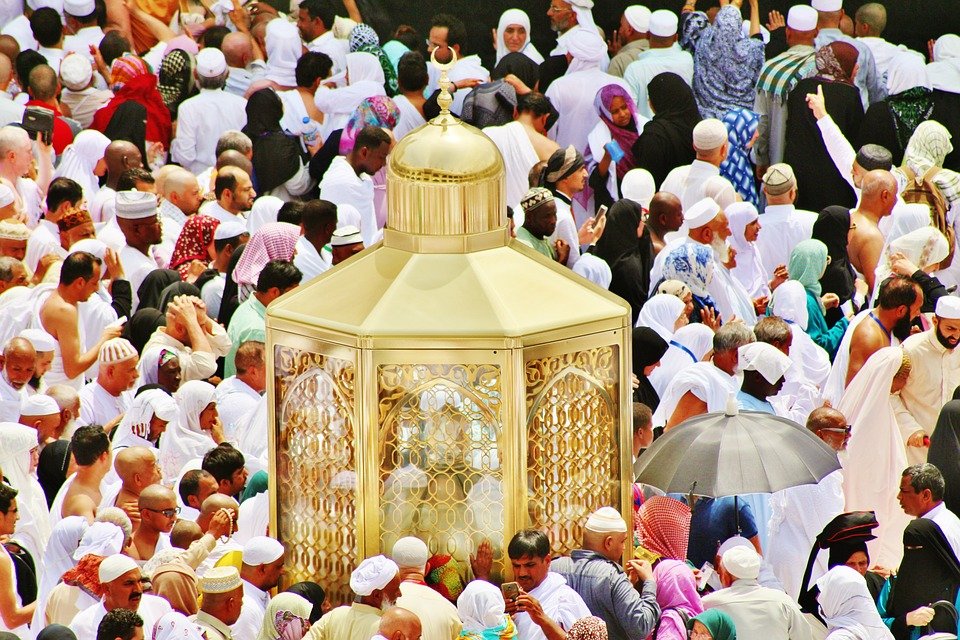
Hajj is one of the most important religious events in the Islamic calendar. Every year, millions of Muslims travel to Makkah to perform rituals that date back thousands of years. This pilgrimage is not just an act of worship; it’s an experience that brings people together and strengthens community bonds. Imagine standing shoulder to shoulder with people from every corner of the globe, united in faith. It’s a powerful feeling.
In 1979, however, everything changed. A major event disrupted the peace of this sacred pilgrimage. The Grand Mosque in Makkah was occupied by militants, which led to the cancellation of Hajj. This incident shocked the Muslim world and altered the course of Hajj itself. Many people had eagerly anticipated their chance to visit the holy city, only to face unexpected challenges. This event forced the Muslim community to reflect on the importance of safety, faith, and unity.
The Signal of Change
The events of 1979 signified something more than just a disruption; they marked a turning point in many ways. The occupation was a wake-up call for many nations and communities. Governments realized they needed to prioritize security during such a high-profile event. As a result, new security measures were introduced in the following years, changing the way Hajj was managed.
People began to see Hajj not just as a religious duty but also as a communal effort. The need for safeguarding this pilgrimage became evident. Support systems sprang up to ensure that pilgrims could perform their rituals peacefully. In the aftermath, we faced both fear and hope, as discussions about how to prevent future incidents started filling the air.
The Global Reaction
The global reaction to the 1979 cancellation of Hajj was immediate and intense. Muslims worldwide expressed their disappointment and concern. Many felt a deep sense of loss and sadness, not just for the missed opportunity to perform the pilgrimage but for the implications of such violence in a holy place.
You're at the middle of this awesome post at AirlinkHajjandUmrah.com through: Hajj Cancelled in 1979: Impact and Historical Significance. Keep reading, it gets better!
Television screens broadcasted the chaos happening in Makkah, making it a global event. Around the world, non-Muslims also watched closely. They began to realize the significance of Hajj and the values it represents—peace, unity, and spiritual renewal. This was a time of reflection for many, inviting discussions about the importance of compassion, even in tumultuous times. It pushed us to understand one another better.
Historical Lessons Learned
The 1979 incident taught us valuable lessons about the fragility of peace and the importance of community. Scholars and leaders across the world examined what had happened and why. Reports and documentaries emerged to analyze the event’s implications on Islam and the broader world.
These discussions continue even today. We better understand that we must take collective responsibility for the safety of sacred spaces. The importance of dialogue among communities became clear, urging people to engage with one another and foster mutual understanding. It’s not merely about one event; it’s about building a future where every individual feels welcome and secure.
Changes in Pilgrimage Management
In the aftermath of 1979, Hajj management underwent significant changes. Authorities realized the need to implement compelling security protocols for the safety of pilgrims. Enhanced checkpoints and crowd control measures became the norm. These changes helped ensure that future Hajj events could occur without interruptions.
Moreover, the experience in 1979 had ripple effects beyond just the safety measures. Organizations sprang up to help streamline the pilgrimage process. They provided vital information to pilgrims and offered guidelines to ensure their safety and well-being. This newfound organization increased the sense of community among Muslims around the globe, connecting them through a shared experience, even from afar.
The Role of Technology
With time, technology became a valuable ally in managing Hajj. In recent years, innovations have significantly transformed how pilgrims prepare and participate in this sacred journey. From apps that offer real-time updates to advanced crowd management systems, technology enhances the overall experience of Hajj.
Some might think technology takes away from the spiritual aspect, but in my opinion, it can amplify the connection with faith. Pilgrims can communicate with communities worldwide, sharing their experiences and challenges. Technology helps people remain informed and engaged, allowing everyone to feel included in this profound tradition.
Looking Forward
Despite the tragic events of 1979, Hajj remains a powerful symbol of faith. The resilience of the Muslim community is evident as we stand together, united by our desire to practice our beliefs. Each year, millions continue to embark on this sacred pilgrimage, grateful for the chance to fulfill this important duty.
As we look to the future, we must remember the lessons learned from that pivotal moment in history. Safety, community, and faith remain at the forefront of Hajj. By fostering understanding and brotherhood, we can navigate challenges together, ensuring that such incidents never mar this sacred experience again. The future of Hajj lies in our hands, where hope and unity can triumph over adversity.
That wraps up Hajj Cancelled in 1979: Impact and Historical Significance. Thanks for sticking with us till here! Share this: Hajj Cancelled in 1979: Impact and Historical Significance with your friends.
Check our homepage at Air Link Hajj & Umrah for more awesome updates.
Some interesting posts are: 1: Umrah Mubarak, 2: When is Umrah closed 2026?, 3: When does Umrah start after Hajj 2026?

Mushu, an experienced Saudi Arabia traveler and writer, shares insightful tips and spiritual reflections to enhance Hajj and Umrah journeys for fellow pilgrims. He has been to Makkah and Madina from 2016 to 2023 many times and his posts will reflect this.