You are here to read: Does Shia Go to Hajj? Understanding Their Pilgrimage Practices – A Thoughtfully Written Guide Offering Spiritual Wisdom and Travel Advice for Every Pilgrim who is going on holy journey of Hajj or Umrah.
In this article, we explore the compelling question: does Shia go to Hajj? Many people wonder about the pilgrimage practices of different Islamic sects, and I believe it’s essential to clarify these practices for a better understanding. Throughout the article, I will provide a comprehensive guide on the significance of Hajj within Shia communities, ensuring that you have a clear overview of their pilgrimage beliefs and traditions. By the end of this read, you will have a thorough understanding of whether Shia participate in Hajj and what that means for them.
The significance of understanding whether Shia go to Hajj cannot be overstated. In my opinion, the pilgrimage serves as a profound act of faith for Muslims, regardless of sect. As an expert team with nine years of experience in the Umrah and Makkah, Madinah travel field through Airlinkhajjandumrah.com, we take pride in sharing accurate information about pilgrimage practices. Our insights will help you grasp the spiritual and communal importance that Hajj holds for Shia Muslims, reinforcing the unity and depth of belief in the Islamic faith.
Does Shia Go to Hajj? Understanding Their Pilgrimage Practices
What Is Hajj?
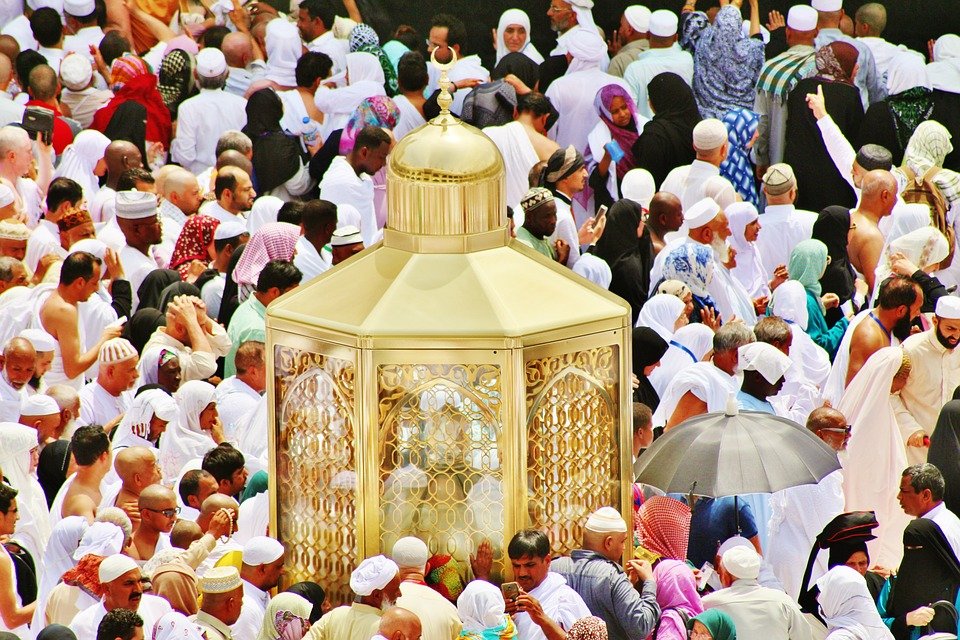
Hajj is one of the five pillars of Islam, making it essential for Muslims. Every year, millions of Muslims from all over the world travel to the holy city of Mecca in Saudi Arabia to perform this pilgrimage. It takes place during the Islamic month of Dhu al-Hijjah. Pilgrims don special white garments, called ihram, which symbolize purity and equality. These outfits help everyone feel united before God, regardless of their background.
During Hajj, there’s a series of rituals that take place over several days. For example, pilgrims walk around the Kaaba, a cube-shaped building covered in black silk, at the Grand Mosque. They also spend time in prayer and reflection at various sacred sites. Performing Hajj is a way to seek forgiveness and spiritual renewal, allowing Muslims to connect deeply with their faith.
The Shia Perspective on Hajj
Shia Muslims have a rich tradition and perspective on Hajj. While they participate in the same rituals as Sunni Muslims, some differences exist in how they approach the pilgrimage. For many Shia, Hajj is not just about fulfilling an obligation but also an opportunity to commemorate significant events in Islamic history. They reflect on the trials faced by figures important in their faith, such as the family of the Prophet Muhammad.
For Shia Muslims, visiting the holy sites is often about spiritual connection and deeper meanings behind the rituals. They may also consider the significance of visiting Karbala and Najaf, which hold immense importance in their tradition. This connection gives their pilgrimage a unique flavor, merging the formal aspects of Hajj with personal devotion and remembrance.
How Do Shia Celebrate Hajj?
Shia Muslims celebrate Hajj with great fervor, mixing tradition with deep-seated beliefs. They participate in all the main rituals of Hajj, including walking around the Kaaba and completing the symbolic stoning of the devil. However, during these activities, many Shia also recall events concerning the Prophet’s family, reflecting on their sacrifices and virtues.
You're at the middle of this awesome post at AirlinkHajjandUmrah.com through: Does Shia Go to Hajj? Understanding Their Pilgrimage Practices. Keep reading, it gets better!
In their prayers and supplications, Shia pilgrims often express their hopes and desires, seeking blessings and forgiveness. The emotional weight they put on these moments highlights the distinct way Shia Muslims view their pilgrimage. By remembering their history and honoring their leaders, they connect more deeply with their faith during this important time.
Common Misconceptions
Many misunderstandings surround the idea of Shia and Hajj. One common misconception is that Shia Muslims do not value Hajj or participate in it. In reality, Shia Muslims view Hajj as crucial to their faith, just like their Sunni counterparts. This pilgrimage provides spiritual benefits and serves as a means of community bonding among Muslims from diverse backgrounds.
Another misunderstanding is that Shia Muslims only visit specific places during Hajj. While it’s true that some Shia will go to Karbala and Najaf separately, their participation in Hajj remains meaningful. The rituals performed in Mecca are significant to Shia Muslims, and they hold the intention of sincerity and spiritual enrichment as they complete their pilgrimage.
The Role of Tour Operators
Organizing a pilgrimage can be a bit daunting, especially for first-time travelers. That’s where tour operators come into play. They specialize in facilitating travel arrangements for pilgrims, making the journey smoother and more enjoyable. Experienced tour operators know the ins and outs of the pilgrimage process, helping ensure that everything goes smoothly.
Working with a reputable tour operator allows Shia Muslims to focus on their spiritual journey instead of the logistical details. Whether it’s arranging accommodations, transportation, or meals, these operators are knowledgeable and can recommend the best practices that align with Shia traditions. Their expertise adds a layer of comfort that allows pilgrims to immerse themselves fully in their pilgrimage experience.
Significance Beyond the Pilgrimage
Hajj holds significance beyond the time spent in Mecca. For many Shia Muslims, this pilgrimage acts as a catalyst for personal transformation. The lessons learned during Hajj extend into daily life, prompting them to reflect on their values and faith commitments. Many feel renewed energy and determination to live a more spiritual and community-focused life.
Additionally, after experiencing the wonders of Hajj, Shia Muslims often share their insights with friends and family. Their stories can serve to inspire others and encourage more people to consider making the pilgrimage. These discussions build a richer understanding of what it means to practice faith and the beauty that can arise from shared experiences across different Muslim traditions.
Conclusion: A Unified Faith
While there are different practices among Sunni and Shia Muslims, both groups cherish the pilgrimage of Hajj profoundly. The essence of seeking forgiveness, building a sense of community, and connecting with the divine remains central to all Muslims. Even though Shia Muslims may have unique perspectives and additional commemorations, their commitment to Hajj exemplifies a broader celebration of faith.
As pilgrims from diverse backgrounds come together, the shared experiences create bonds that transcend sectarian divides. In reflecting on our beliefs, we can appreciate the beauty within our differences while valuing the shared dedication to spirituality and community. This vibrant aspect of faith demonstrates that, ultimately, we can all unite under a common purpose.
That wraps up Does Shia Go to Hajj? Understanding Their Pilgrimage Practices. Thanks for sticking with us till here! Share this: Does Shia Go to Hajj? Understanding Their Pilgrimage Practices with your friends.
Check our homepage at Air Link Hajj & Umrah for more awesome updates.
Some interesting posts are: 1: Umrah Mubarak, 2: When is Umrah closed 2026?, 3: When does Umrah start after Hajj 2026?

Mushu, an experienced Saudi Arabia traveler and writer, shares insightful tips and spiritual reflections to enhance Hajj and Umrah journeys for fellow pilgrims. He has been to Makkah and Madina from 2016 to 2023 many times and his posts will reflect this.