You are here to read: What Zil Hajj Is Today: Significance and Traditions Explained – A Thoughtfully Written Guide Offering Spiritual Wisdom and Travel Advice for Every Pilgrim who is going on holy journey of Hajj or Umrah.
In this blog article, we will explore what Zil Hajj is today, focusing on its essence and relevance in the modern world. Zil Hajj, the last month of the Islamic lunar calendar, holds tremendous significance for millions of Muslims around the globe. In this guide, you will find a comprehensive understanding of what Zil Hajj is today, including its rituals and traditions that have been passed down through generations. I believe that exploring this topic will deepen your appreciation for its importance in our faith and collective identity.
Understanding what Zil Hajj is today helps us realize its deeper significance in the lives of Muslims. This period emphasizes reflection, sacrifice, and community, all while aligning our actions with the teachings of Islam. Our site, Airlinkhajjandumrah.com, has nearly nine years of experience in the Umrah and Makkah, Madinah travel field, so I feel confident that we can provide you with valuable insights on “What Zil Hajj Is Today: Significance and Traditions Explained.” I think you’ll find that this time is not just about rituals but also about spiritual growth and communal ties. Join us as we unravel the meaning behind these sacred days.
What is Zil Hajj?
Zil Hajj, also known as Dhul-Hijjah, is the twelfth month of the Islamic lunar calendar. It holds a special place for millions around the globe as it marks the time for Hajj, the great pilgrimage to Makkah. This month is a blend of deep spirituality and rich traditions. During Zil Hajj, Muslims reflect on their faith and engage with their communities. To many, it’s not just a calendar month; it symbolizes a treasured opportunity for growth and connection with Allah.
The significance of Zil Hajj extends beyond merely marking Hajj. It is a time filled with worship and devotion. Every year, as the month arrives, discussions bloom about preparation and intentions for the pilgrimage. While only a fraction of Muslims can perform Hajj, the essence of Zil Hajj touches countless lives. I find it inspiring how the spirit of unity resounds, even among those who remain home. This month encourages everyone to engage in acts of kindness and reflection.
The Significance of Zil Hajj
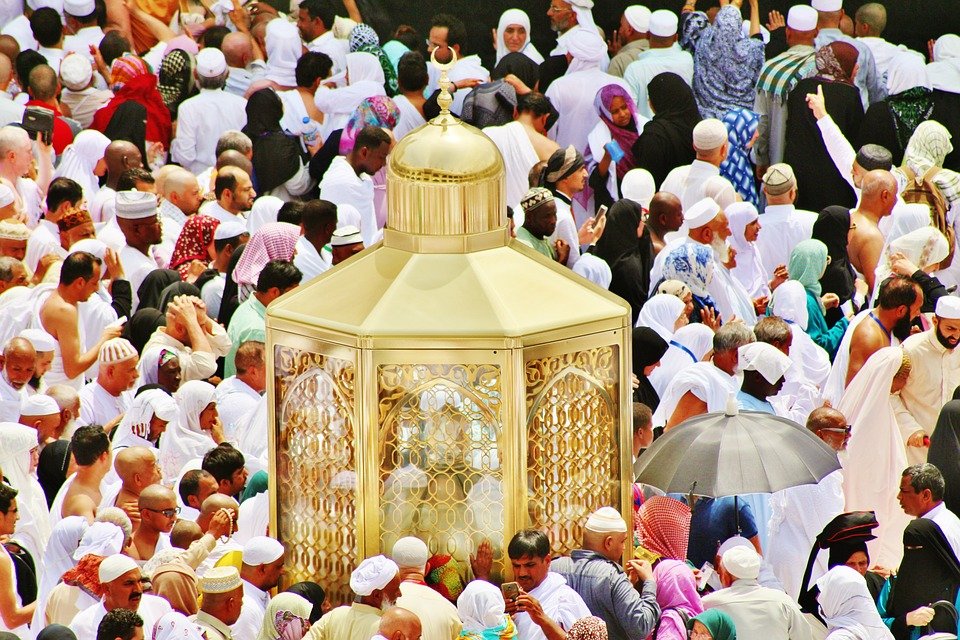
I believe the importance of Zil Hajj cannot be overstated. It’s an illustrious time for Muslims to express their devotion to God. Those performing Hajj embrace profound experiences, like standing on the plains of Arafat, seeking forgiveness and mercy. The collective energy during this pilgrimage radiates strength and dedication. Even those unable to travel can still partake in the month’s reflective nature, celebrating their spiritual ties.
Moreover, Zil Hajj marks the Day of Arafah, one of the most sacred days in Islam. Fastening on this day brings immense blessings, as we seek forgiveness and reflect on our lives. For many, it is a time of hope and new beginnings. Those who fast feel a deep connection to the essence of their faith, making it a period of transformation. I find that the discussions surrounding not just fasting but also charity become more prominent. The spirit of giving is amplified, promoting unity and compassion within communities.
Traditions Surrounding Zil Hajj
As Zil Hajj unfolds, many cherished traditions come to life, helping to enrich our experiences. One notable practice is the ritual of Qurbani, which involves sacrificing an animal to commemorate the story of Prophet Ibrahim. This act symbolizes devotion and submission to Allah. Families come together to perform this sacred task, sharing meals and distributing portions to those in need. I feel this tradition beautifully exemplifies the importance of sharing and caring for one another.
You're at the middle of this awesome post at AirlinkHajjandUmrah.com through: What Zil Hajj Is Today: Significance and Traditions Explained. Keep reading, it gets better!
In addition to Qurbani, many families organize gatherings and prayers throughout the month. Sharing heartfelt messages and reminders fosters a sense of togetherness. Social media also buzzes with reflections and shared experiences, enhancing the communal aspect of Zil Hajj. Overall, these traditions create a sense of belonging, allowing us to bond with family, friends, and fellow worshippers alike. It’s uplifting to see how everyone contributes to a nurturing environment during this significant time.
Reflection and Introspection
Zil Hajj offers an excellent opportunity for reflection and introspection. As we navigate our spiritual paths, we frequently think about what truly matters in our lives. This month encourages us to pause, contemplate our actions, and realign our intentions with God. The act of self-accountability is essential; it reminds us to strive for self-improvement.
During this time, many people engage in acts of worship, like prayers and recitation of the Quran. These acts help us gain insights into our faith and lives. Personally, I use this opportunity to delve into personal aspirations, dreams, and shortcomings. The introspective nature of Zil Hajj encourages honesty, allowing us to confront both our struggles and triumphs candidly. In my opinion, this habit of reflecting and realigning can positively transform our daily lives.
Community and Charity
Communities come together during Zil Hajj in remarkable ways, emphasizing charity and compassion. Many organizations ramp up efforts to support the less fortunate. Muslims are encouraged to give generously during this month, whether through food, clothes, or financial contributions. I feel it’s moving to see how many hearts open wide to those in need during this sacred time.
The spirit of generosity isn’t limited to just the affluent. Individuals and families of all backgrounds find a way to contribute. Volunteering at local food banks or shelters becomes a popular choice. This act of giving nurtures a feeling of kinship. I think it reinforces the idea that, despite our differences, we can come together for a greater cause. It empowers individuals to make a difference one act of kindness at a time, illustrating the true essence of Zil Hajj.
The Role of Family During Zil Hajj
Zil Hajj is a time for families to come together, share experiences, and strengthen bonds. Conversations about faith and devotion often flourish during this month. Families may gather to express their intentions for Hajj or discuss the virtues associated with this sacred time. These discussions help children understand the significance of their faith.
Additionally, the act of performing Qurbani provides an opportunity for families to create lasting memories. The preparation, the prayers, and the meals shared afterward resonate deeply with everyone involved. I find it heartwarming to witness the way families unite, supporting one another in acts of charity and goodness. The love and kindness exchanged reinforce a sense of belonging and togetherness, shaping the foundation of a nurturing family structure.
Conclusion: Embracing the Spirit of Zil Hajj
As Zil Hajj comes to a close, we are left with a profound realization of its importance. The month teaches us not just about rituals but also about connection, charity, and family. It inspires us to reflect on our lives and encourages acts of kindness that ripple through our communities. I believe that the essence of Zil Hajj lies in its ability to bring people together for a common cause—enhancing spirituality and promoting unity.
I feel that carrying forward the lessons learned during this month is crucial for transforming our daily lives. Each act of giving or reflection contributes to a broader understanding of our responsibilities toward each other. As we embrace the spirit of Zil Hajj, let’s be inspired to continue our journey of kindness, hope, and faith throughout the year. Together, we can make a lasting impact in the world around us.
That wraps up What Zil Hajj Is Today: Significance and Traditions Explained. Thanks for sticking with us till here! Share this: What Zil Hajj Is Today: Significance and Traditions Explained with your friends.
Check our homepage at Air Link Hajj & Umrah for more awesome updates.
Some interesting posts are: 1: Umrah Mubarak, 2: When is Umrah closed 2026?, 3: When does Umrah start after Hajj 2026?

Mushu, an experienced Saudi Arabia traveler and writer, shares insightful tips and spiritual reflections to enhance Hajj and Umrah journeys for fellow pilgrims. He has been to Makkah and Madina from 2016 to 2023 many times and his posts will reflect this.