You are here to read: What Chapter is Hajj? Arafat’s Significance Explained – A Thoughtfully Written Guide Offering Spiritual Wisdom and Travel Advice for Every Pilgrim who is going on holy journey of Hajj or Umrah.
In this article, we explore the topic of “what chapter is Hajj is Arafat,” shedding light on this vital aspect of the pilgrimage. As millions of Muslims gather on the holy plain of Arafat each year, understanding its significance and the chapter it occupies within the Hajj ritual becomes essential. I promise you’ll find a comprehensive guide here, making it easier to grasp the importance of this sacred day. By the end of this article, you’ll have clarity on what chapter is Hajj is Arafat and why it holds such a pivotal role in the pilgrimage experience.
In my opinion, Arafat represents a moment of profound spiritual reflection and connection. It is on this day that pilgrims seek forgiveness and mercy, standing before Allah in sincere devotion. Our expertise in presenting detailed insights on “What Chapter is Hajj? Arafat’s Significance Explained” stems from nine years of experience in the Umrah and Makkah travel fields since 2016. We aim to provide you with accurate and insightful information that enriches your understanding of Hajj and the sacred rites associated with it.
What Chapter is Hajj? Arafat’s Significance Explained
The Essence of Hajj
Hajj is one of the most important acts of worship in Islam. It’s a pilgrimage to the holy city of Mecca, and every Muslim who is able must undertake it at least once in their lifetime. Hajj happens during the last month of the Islamic lunar calendar, Dhul-Hijjah, and it encompasses several significant rituals. Each of these rituals has deep meanings and historical roots steeped in traditions, making Hajj not just a physical undertaking but also a profound spiritual experience.
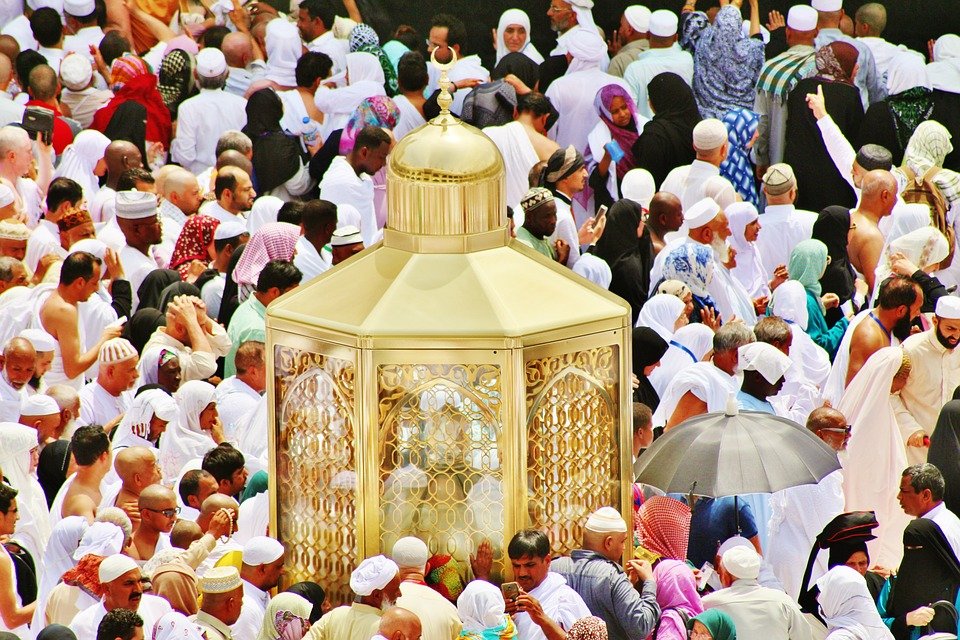
When we talk about chapters in Hajj, we often highlight the Day of Arafat. This day falls on the 9th of Dhul-Hijjah and marks one of the most critical moments of the pilgrimage. It is on this day that millions of Muslims gather at the plain of Arafat to stand in prayer and seek forgiveness. This act epitomizes submission to God and the quest for repentance, embodying the spirit of Hajj in its most essential form.
Arafat’s Historical Importance
Arafat holds a unique place in Islamic history. It is the site where Prophet Muhammad delivered his last sermon during the Hajj pilgrimage. This sermon outlined the fundamental teachings of Islam and emphasized important social values like equality and justice. It’s deeply moving to think about the thousands of pilgrims who come together in this location, echoing the sentiments of unity and brotherhood that the Prophet highlighted.
The day is also significant because it marks the culmination of the pilgrimage activities. Pilgrims spend the day in deep contemplation and prayer. It’s a moment of tranquility amid the hustle and bustle that usually surrounds the pilgrimage. The mass gathering signifies not only the physical presence of Muslims from around the world but also their shared faith and spiritual devotion.
The Spiritual Connection
Standing on the plain of Arafat creates an emotional and spiritual bond that resonates with many. Participants often feel a deep sense of humility and gratitude at this site. When pilgrims raise their hands in prayer, they express their hopes, fears, and desires to God. This moment encapsulates the essence of Hajj: the idea that everyone, regardless of background, stands equal in front of the Creator.
You're at the middle of this awesome post at AirlinkHajjandUmrah.com through: What Chapter is Hajj? Arafat’s Significance Explained. Keep reading, it gets better!
Moreover, the act of supplication on Arafat is particularly powerful. Many believe that the prayers made on this day are especially accepted. This belief fuels the desire for forgiveness, healing, and strength in faith. It’s a time when pilgrims pour their hearts out, asking for guidance and support in their personal lives. The significance of Arafat, therefore, goes beyond mere tradition; it serves as a transformative experience for those willing to wholly engage in its beauty.
Rituals Observed on Arafat
The rituals performed on the Day of Arafat are purposeful and spiritual, entrusting Muslims with a guide for life. Besides prayer, pilgrims engage in the act of fasting. Fasting on this day holds immense rewards and is considered a way to purify oneself before standing in prayer. Many see it not just as a sacrifice of food but as a means to align themselves spiritually.
Another important ritual is the ritual of standing, or Wuquf. This moment signifies humility and submission to God. Pilgrims gather at the site, reciting the Qur’an, engaging in prayer, and reflecting on their lives. It symbolizes both a community of believers and individual quests for spiritual fulfillment. It’s heartening to think about how diverse people from all walks of life unite for this common purpose.
Reflections of Gratitude
As the sun sets on the day of Arafat, there’s an overwhelming sense of gratitude among the pilgrims. This feeling is palpable. After spending the day in prayer and reflection, many express anguish for their past misdoings and a yearning to do better. It’s not just about seeking forgiveness; it’s also about acknowledging one’s blessings, recognizing the goodness in life, and aspiring to lead a life aligned with faith.
This moment of reflection is essential for many. Walking away from Arafat, pilgrims often feel a profound change within themselves. In this light, the Day of Arafat not only serves as a highlight of the Hajj pilgrimage but also sets the tone for how one should conduct oneself in the days and months ahead. It is a reminder of the temporary nature of this world and the importance of making choices that honor faith and values.
The Broader Implications of Arafat’s Teachings
The teachings and experiences from Arafat echo throughout the year. Many pilgrims return from Hajj with a renewed spirit and a fresh perspective on life. They often share insights about community, peace, and the importance of compassion. These lessons foster a sense of responsibility toward one another and the world at large.
Additionally, the significance of Arafat resonates in daily life after the pilgrimage. The themes of humility, forgiveness, and gratitude extend beyond mere rituals. They invite us to introspect and engage in acts of kindness regularly. Whether it’s helping a neighbor or participating in community service, the spirit of Arafat encourages sustained engagement in uplifting others.
Conclusion: Arafat as a Pillar of Faith
The Day of Arafat stands relevant not only within the framework of Hajj but also within our lives as Muslims. It teaches enduring values that transcend the boundaries of time and place. I feel that this day holds the essence of what it means to be a Muslim, emphasizing connection, reflection, and hope. Arafat, therefore, serves as a momentous chapter in the grand narrative of Hajj—a reminder to live a life filled with compassion and faith.
That wraps up What Chapter is Hajj? Arafat’s Significance Explained. Thanks for sticking with us till here! Share this: What Chapter is Hajj? Arafat’s Significance Explained with your friends.
Check our homepage at Air Link Hajj & Umrah for more awesome updates.
Some interesting posts are: 1: Umrah Mubarak, 2: When is Umrah closed 2026?, 3: When does Umrah start after Hajj 2026?

Mushu, an experienced Saudi Arabia traveler and writer, shares insightful tips and spiritual reflections to enhance Hajj and Umrah journeys for fellow pilgrims. He has been to Makkah and Madina from 2016 to 2023 many times and his posts will reflect this.