You are here to read: Where Do Muslims Visit on Hajj: A Guide to Sacred Sites – A Thoughtfully Written Guide Offering Spiritual Wisdom and Travel Advice for Every Pilgrim who is going on holy journey of Hajj or Umrah.
Muslims embark on Hajj, a profound pilgrimage, visiting several sacred sites that hold immense significance in Islam. In this article, I will guide you through “where do Muslims visit on Hajj,” helping you understand the various locations that pilgrims explore during this holy time. You’ll find a comprehensive guide that highlights each destination, making it easy for you to appreciate the beauty and spirituality of the pilgrimage. I aim to provide you with clear and valuable information, ensuring you feel well-informed about where do Muslims visit on Hajj.
Understanding where Muslims visit on Hajj is vital for grasping the significance of this pilgrimage. Each site, from the Kaaba in Makkah to Arafat, plays a unique role in the ritual and history of Islam. With nine years of experience in the travel field focused on Umrah and Makkah and Madinah since 2016, I believe my insights will help deepen your appreciation for these sacred places. I feel passionate about sharing this knowledge, as it illuminates the spiritual journey undertaken by millions of Muslims every year. Join me as we explore this remarkable pilgrimage together!
Introduction to Hajj
Hajj is one of the most important events in the life of a Muslim. It is an annual pilgrimage that holds deep spiritual meaning. Every year, millions of Muslims from all around the globe travel to Mecca, a city in Saudi Arabia. Many people feel this sacred pilgrimage strengthens their faith and deepens their connection to God. For those who cannot go, understanding the significance of the places visited during Hajj brings them closer to the experience.
During Hajj, participants engage in various rituals that commemorate the trials of the Prophet Ibrahim and his family. These sacred practices remind everyone of the values of patience, humility, and devotion. In my opinion, the emotional weight of Hajj resonates not just for participants, but also for those who support their loved ones from afar. The significance of visiting these holy sites goes beyond just physical distances; it transcends time and cultural boundaries.
Kaaba: The Heart of Hajj
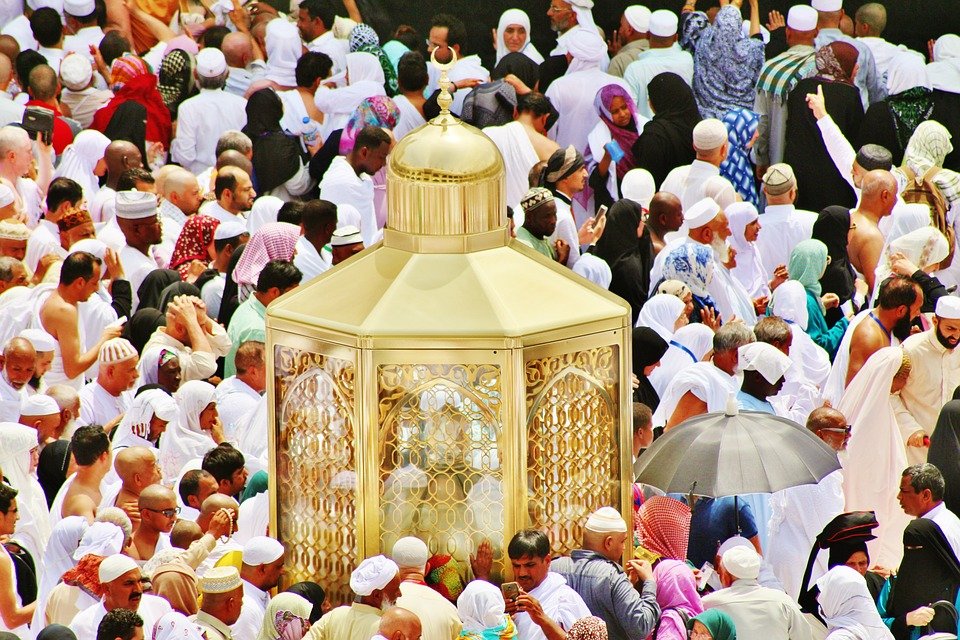
At the center of Mecca lies the Kaaba, a cube-shaped structure draped in black silk. Muslims believe it to be the most sacred site on Earth. Every year, millions walk around it during a ritual called Tawaf, circling it seven times in a counterclockwise direction. Standing in the presence of the Kaaba fills many pilgrims with a sense of awe and reverence. It symbolizes the unity of Muslims, representing the House of God.
When one addresses the Kaaba, it’s not just a building; it’s a focal point for prayers and aspirations. I think that while walking around it, pilgrims often feel a collective sense of purpose, as everyone shares a common goal. This powerful feeling is hard to describe, but it resonates deeply within the hearts of everyone present, encouraging a feeling of togetherness among diverse cultures.
Mount Arafat: A Day of Reflection
Another significant location during Hajj is Mount Arafat, where Muslims gather to pray and seek forgiveness. This place serves as a reminder of Judgment Day when people will stand before God. During the Day of Arafah, which falls on the second day of Hajj, pilgrims spend their time in prayer and contemplation. Many believe that this day offers a unique opportunity to have their sins forgiven.
You're at the middle of this awesome post at AirlinkHajjandUmrah.com through: Where Do Muslims Visit on Hajj: A Guide to Sacred Sites. Keep reading, it gets better!
Standing on the mount, I often think about the incredible journey each person has taken to reach this moment. The atmosphere is filled with devotion, as pilgrims express their hopes and dreams. It’s a day when many feel the weight of their prayers. The unity experienced on this day is remarkable; individuals from different backgrounds come together for a common purpose.
Mina: The Tent City
Mina, often referred to as “Tent City,” plays a crucial role in the Hajj pilgrimage. Pilgrims spend a night there in large tents, which fosters a sense of community. This collective living arrangement brings people closer together as they share stories and experiences. The tents remind us that we are all equal in our devotion to God, regardless of our backgrounds or statuses.
In Mina, pilgrims participate in rituals such as the Stoning of the Devil, which symbolizes the rejection of evil. They throw stones at three pillars that represent temptations and challenges. To me, this act feels like a release; a symbolic gesture that encourages introspection. Many leave this site feeling spiritually uplifted, having taken a step toward overcoming personal struggles.
Musdalifah: Gathering Pebbles
After spending a night in Mina, pilgrims head to Musdalifah. This area serves as a resting place for Hajj participants before they continue their rituals. Pilgrims collect small pebbles here to use during the Stoning of the Devil. In my view, this act of gathering pebbles feels meditative. It provides a moment of tranquility amid the excitement and chaos of the pilgrimage.
This site also symbolizes the importance of both physical and spiritual rest. Sharing food and stories with fellow pilgrims under the stars creates a warm sense of brotherhood and sisterhood. As people interact in this peaceful environment, they bond over shared experiences, cultivating friendships that may last a lifetime.
Jamarat: The Stoning Ritual
The Jamarat symbolizes the triumph over temptation. Pilgrims engage in the Stoning of the Devil, where they throw pebbles at three pillars. Many see this ritual as a metaphor for casting away negative influences from their lives. It’s a powerful moment that evokes feelings of strength and determination. I believe that this act allows individuals to reflect on their own challenges and triumphs in life.
As people participate in this act, the atmosphere is filled with emotion. Many pilgrims shout prayers or personal wishes while throwing the stones. The sense of community and shared purpose heightens the experience, making it even more memorable. Each pebble thrown feels like a personal victory, reinforcing the idea of overcoming struggles and emerging stronger.
Conclusion: The Impact of Hajj
Hajj provides Muslims a chance to connect with their faith in profound ways. Visiting sacred sites like the Kaaba, Mount Arafat, and Mina fosters a sense of belonging and unity among all participants. The memories made during this pilgrimage can leave lasting impressions, guiding one’s spiritual journey long after returning home.
Every step taken during Hajj leads to greater self-awareness and reflection. I feel that while the physical journey may be difficult, the spiritual rewards are invaluable. Whether you participate directly or support others, the importance of these sacred sites resonates throughout the Muslim world, fostering love, compassion, and understanding among all people.
That wraps up Where Do Muslims Visit on Hajj: A Guide to Sacred Sites. Thanks for sticking with us till here! Share this: Where Do Muslims Visit on Hajj: A Guide to Sacred Sites with your friends.
Check our homepage at Air Link Hajj & Umrah for more awesome updates.
Some interesting posts are: 1: Umrah Mubarak, 2: When is Umrah closed 2026?, 3: When does Umrah start after Hajj 2026?

Mushu, an experienced Saudi Arabia traveler and writer, shares insightful tips and spiritual reflections to enhance Hajj and Umrah journeys for fellow pilgrims. He has been to Makkah and Madina from 2016 to 2023 many times and his posts will reflect this.