You are here to read: Hajj and Umrah: Key Differences and Essential Insights Explained – A Thoughtfully Written Guide Offering Spiritual Wisdom and Travel Advice for Every Pilgrim who is going on holy journey of Hajj or Umrah.
In this article, we will explore what also is considered Hajj and Umrah, offering a clear and insightful guide to these important Islamic practices. Hajj and Umrah stand as two distinctive experiences within the Islamic faith, each carrying its own significance. By the end of this article, I promise you will find a thorough understanding of what also is considered Hajj and Umrah, emphasizing their roles in the lives of Muslims around the world. I believe that grasping these concepts is crucial for anyone looking to deepen their knowledge of Islamic practices.
Understanding what also is considered Hajj and Umrah is fundamental to appreciating their significance in our faith. Hajj, as a pillar of Islam, holds immense spiritual weight, while Umrah provides a means of personal devotion and connection to Allah. With our nine years of experience at Airlinkhajjandumrah.com in the travel field, particularly focusing on Umrah and travels to Makkah and Madinah, we have the expertise to help clarify the key differences and essential insights surrounding these sacred practices. In my opinion, this understanding can enhance one’s spiritual life and overall relationship with Islam, guiding us all on our respective paths.
Understanding Hajj and Umrah
Hajj and Umrah are two significant religious pilgrimages in Islam, each with its own purpose, timing, and rituals. I think many people often confuse the two, but they serve unique roles in a Muslim’s spiritual life. Hajj is one of the Five Pillars of Islam, meaning it is a mandatory act for every capable Muslim at least once in their lifetime. It occurs during specific days in the Islamic month of Dhu al-Hijjah, drawing millions to the holy city of Makkah.
On the other hand, Umrah is not obligatory but offers immense spiritual rewards. It can be performed anytime throughout the year. While both pilgrimages include some overlapping rituals, they differ in terms of significance and the obligations they fulfill. Hajj holds a place of utmost importance, while Umrah serves as an excellent opportunity for additional blessings. Knowing these distinctions helps in understanding their unique roles for Muslims around the world.
The Timing of Hajj vs. Umrah
Timing is a crucial difference between Hajj and Umrah. Hajj has fixed dates every year, starting from the 8th to the 13th of Dhu al-Hijjah. Each day of Hajj has specific rituals that must be observed in order. People who plan to perform Hajj must book their trips well in advance, as accommodation and amenities can fill up quickly.
Umrah, however, can be undertaken at any moment. I feel this flexibility allows pilgrims to plan their visits according to their personal schedules and financial situations. With the attractiveness of Umrah, many Muslims opt to perform it multiple times. Whether it’s ahead of a significant event or simply for spiritual rejuvenation, Umrah allows pilgrims to connect with their faith beyond the obligations of Hajj.
Rituals: What Makes Them Different?
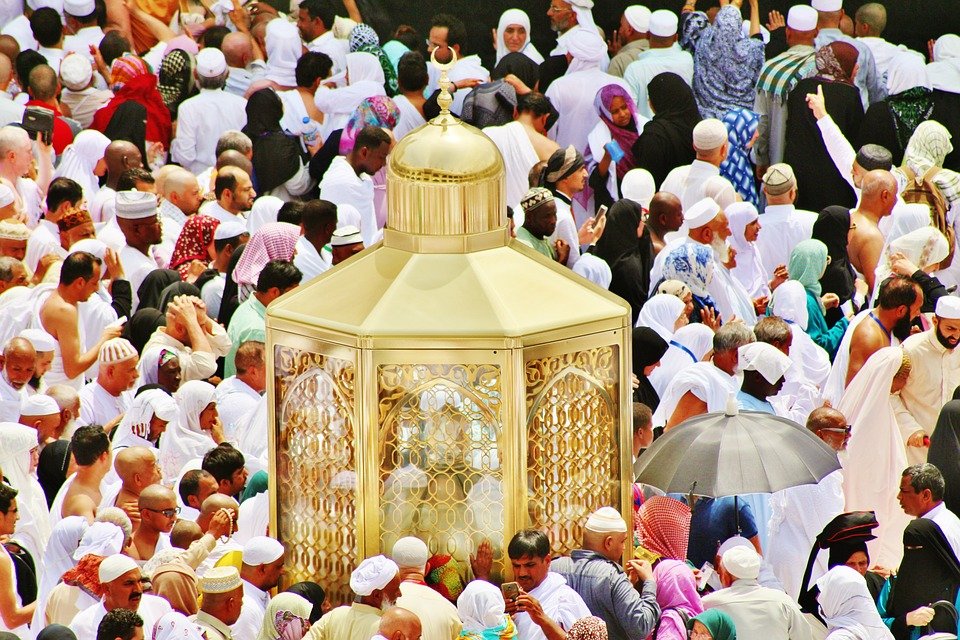
Both Hajj and Umrah involve key rituals, but they are distinct in their procedures and significance. Hajj includes a series of obligatory acts such as the Tawaf (circling the Kaaba), standing at Arafat, and throwing stones at the Jamarat. Each ritual has deep meaning, honing in on submission to Allah. The importance of these rituals is magnified during Hajj, marking it as a time of communal spiritual refreshment.
You're at the middle of this awesome post at AirlinkHajjandUmrah.com through: Hajj and Umrah: Key Differences and Essential Insights Explained. Keep reading, it gets better!
Umrah, in contrast, consists of fewer rituals but can still be incredibly fulfilling. The main rituals include the Tawaf around the Kaaba and the Sa’i, the act of walking between the hills of Safa and Marwah. While less extensive than Hajj, these rituals offer rich spiritual insights and moments for reflection. I think it’s beautiful how both pilgrimages, in their different ways, provide opportunities for spiritual growth and connection with faith.
The Spiritual Significance
The spiritual significance of Hajj and Umrah cannot be overstated. Hajj represents a definitive act of submission and faith, embodying unity among Muslims worldwide. It’s like a grand festival of faith where individuals stand as equals before Allah, regardless of their nationality or background. The collective worship creates a deeply profound atmosphere, reminding us of our shared beliefs and values.
Umrah, while not obligatory, also holds immense spiritual rewards. I feel that many find comfort in its flexibility, allowing both the regular and the devout to deepen their faith. The act of performing Umrah signifies dedication and love for one’s spirituality. Pilgrims often return home feeling renewed and invigorated, having taken the time to connect with their beliefs. Both Hajj and Umrah serve as vital avenues for personal reflection and spiritual replenishment.
Cultural Impact on Society
The societal impact of Hajj and Umrah is significant. Hajj, being an obligation for those who can afford it, weaves a strong thread among Muslims. Families often gather for preparations, making it a cultural event that transcends individual experience. It strengthens community bonds and fosters a sense of belonging. This collective experience can transform the way people view their culture and shared beliefs.
Umrah also plays a vital role in the community. With its flexible timing, many organize group trips that encourage camaraderie among fellow pilgrims. Such arrangements often lead to new friendships and shared memories, further enriching the cultural fabric. I believe that both pilgrimages remind us of the importance of faith in our lives and the role it plays in unifying us as a community.
Challenges and Preparation
Preparing for Hajj can be quite a task. Pilgrims must ensure they meet several requirements and understand the proper rituals. As the pilgrimage draws near, the excitement can be overwhelming, but so can the challenges. I think the importance of thorough planning cannot be understated—everything from travel bookings to understanding the rituals needs attention.
However, when it comes to Umrah, the challenges might be less daunting due to its flexibility. Nevertheless, many still seek guidance to ensure they perform the rituals correctly and respectfully. In my opinion, preparation is key, whether you are planning for Hajj or Umrah. The more informed we are, the richer our spiritual experiences will be.
Conclusion: Choosing Your Path
In summary, Hajj and Umrah offer Muslims unique spiritual paths. While Hajj serves as an essential pillar of faith, Umrah acts as a wonderful opportunity for those seeking to enhance their spirituality. Understanding the key differences between the two helps individuals make informed decisions about their spiritual journeys.
Both pilgrimages provide invaluable opportunities for deep connection with faith and community. Ultimately, whether one chooses to embark on the obligatory Hajj or indulge in the optional Umrah, each experience comes with its own significance and blessings. I believe that the essence of both is rooted in devotion, fostering personal growth and unity among Muslims around the world.
That wraps up Hajj and Umrah: Key Differences and Essential Insights Explained. Thanks for sticking with us till here! Share this: Hajj and Umrah: Key Differences and Essential Insights Explained with your friends.
Check our homepage at Air Link Hajj & Umrah for more awesome updates.
Some interesting posts are: 1: Umrah Mubarak, 2: When is Umrah closed 2026?, 3: When does Umrah start after Hajj 2026?

Mushu, an experienced Saudi Arabia traveler and writer, shares insightful tips and spiritual reflections to enhance Hajj and Umrah journeys for fellow pilgrims. He has been to Makkah and Madina from 2016 to 2023 many times and his posts will reflect this.