You are here to read: When Did Hajj Not Happen? Key Historical Insights – A Thoughtfully Written Guide Offering Spiritual Wisdom and Travel Advice for Every Pilgrim who is going on holy journey of Hajj or Umrah.
When did Hajj not happen? This intriguing question opens the door to a lesser-known aspect of Islamic history. In this article, I aim to guide you through the times when this pivotal pilgrimage did not take place. Whether due to political unrest, health crises, or other significant events, these instances shape our understanding of Hajj’s place in Islamic tradition. By the end of this piece, I promise you will gain a clearer perspective on when Hajj did not happen and why that matters.
Understanding the importance of when Hajj did not happen offers valuable insights into the resilience of the Islamic faith. Throughout our experience of over nine years in the Umrah and Makkah travel field, my team and I have gathered key historical insights that shed light on how these interruptions reflect broader themes of endurance and devotion in the Muslim community. I feel confident that this article will provide you with the knowledge necessary to appreciate the complexities surrounding this sacred pilgrimage.
When Did Hajj Not Happen? Key Historical Insights
Understanding Hajj and Its Importance
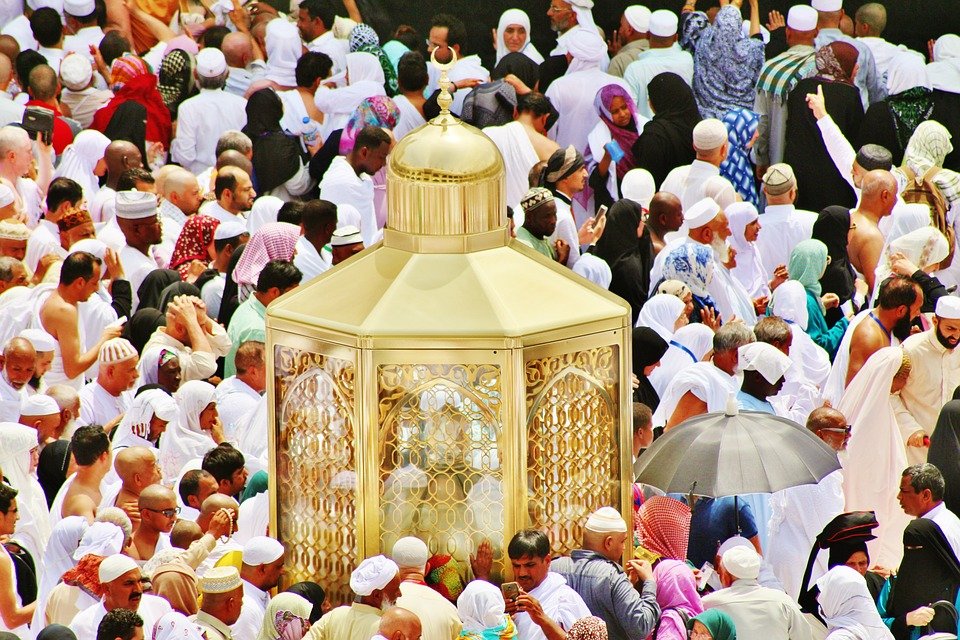
Hajj is one of the most significant events for millions of Muslims around the world. Every year, individuals from diverse backgrounds travel to the holy city of Makkah, seeking to fulfill a vital religious duty. The experience of Hajj fosters unity among Muslims, regardless of their nationality or language. It stands as a reminder of devotion, faith, and submission to God. Each part of Hajj carries deep spiritual meaning, from standing at Arafat to throwing stones at the Jamarat pillars.
In addition to its spiritual significance, Hajj also represents a time for communal bonds. It encourages compassion and kindness among participants. This large gathering of people allows different cultures to share their traditions and beliefs. The collective experience can transform hearts, fill them with hope, and strengthen community ties. However, as with any historical event, Hajj has faced its share of interruptions that impacted thousands of pilgrims over the years.
Historical Interruptions and Reasons
Throughout history, Hajj did not occur for various reasons. Major events often disrupted this holy pilgrimage, preventing faithful Muslims from making their way to Makkah. One significant interruption took place during the Black Death in the 14th century. The pandemic swept through Europe and Asia, causing great distress and loss of life. The sheer magnitude of the plague forced many pilgrims to abandon their plans to perform Hajj.
Another severe interruption happened during World War I. The conflict created chaos and instability across many regions, including the Middle East. As nations engaged in battles, the conditions for safe travel fell apart. Many Muslims found it impossible to undertake the journey, leaving them eager yet unable to fulfill their Hajj obligations. This period underscores how global events can reshape spiritual practices in profound ways.
Political Turmoil and Its Impacts
Political unrest can drastically alter the landscape for pilgrims wishing to perform Hajj. A prime example occurred in the 1970s when tensions escalated in the Middle East. The region became embroiled in conflicts that made travel to Makkah hazardous for many. Borders closed, and safety concerns rose, leading some to forgo their pilgrimage that year.
You're at the middle of this awesome post at AirlinkHajjandUmrah.com through: When Did Hajj Not Happen? Key Historical Insights. Keep reading, it gets better!
In more recent times, various political situations have continued to pose challenges. Shifts in governance and local unrest can prevent people from safely journeying to the holy city. The unpredictability of politics reminds us of the intertwined nature of faith and everyday life. On such occasions, many Muslims rely on prayer and hope to reconnect spiritually, even if physically separated from the sacred sites.
Natural Disasters Affecting Hajj
Mother Nature sometimes intervenes, disrupting the sacred pilgrimage as well. Earthquakes and floods have struck Makkah throughout its history, posing risks to pilgrims. These natural disasters often instilled fear and uncertainty, compelling authorities to advise against travel during certain periods.
One notable event occurred in 1997 when heavy rains caused flash flooding in Makkah. The adverse weather conditions led to tragic incidents, which prompted local officials to re-evaluate safety measures. Pilgrims who planned to attend the Hajj that year faced significant disruptions, highlighting the vulnerability of physical gatherings in the face of nature’s might. The resilience displayed by communities during such crises plays a crucial role in overcoming adversity together.
The Role of Health Crises
Health crises can also impede the Hajj experience, as witnessed during outbreaks of diseases. In 1814, for instance, an outbreak of cholera struck regions across Asia, including Makkah. Governments acted quickly, restricting travel to curb the spread of the disease. Pilgrims faced sadness as they realized their dreams of performing Hajj could not unfold; their hopes forced to remain on hold.
Fast forward to recent times, the COVID-19 pandemic dramatically shifted the global landscape. The virus’s spread forced Saudi Arabia to restrict access to Makkah to ensure public safety. Pilgrims found themselves grappling with a painful reality—many had to postpone their spiritual journeys. The pandemic served as a stark reminder of how vulnerable life can be amid unforeseen circumstances. However, those who sought solace turned to prayer and virtual avenues to maintain their connection with their faith.
Reflecting on the Significance of Hajj
Understanding the historical interruptions of Hajj provides important insights. Each time Hajj was suspended, it left an impact on the Muslim community. These events highlight a deep longing for connection. Society can learn about resilience from these experiences, emphasizing that faith can endure despite obstacles.
The spirit of Hajj remains unchanged, driven by hope. While interruptions have occurred, they only reinforce the significance of this pilgrimage. The collective prayers and aspirations of Muslims pave the way for the eventual return to spiritual practices. This commitment emphasizes how faith can thrive, even amid challenges. It inspires a renewed appreciation for the ability to gather in unity.
Looking Ahead: The Future of Hajj
As we look to the future, it’s vital to acknowledge the lessons learned from the interruptions to Hajj. They remind us of the importance of preparation and community response during unforeseen events. I believe that as history teaches us, we find ways to adapt and protect the sanctity of this pilgrimage.
Engaging in meaningful dialogue about these experiences fosters stronger connections among individuals, regardless of their background. As more advancements emerge in healthcare and travel safety, the path to Hajj may remain uninterrupted in the years to come. The hope for a harmonious gathering continues to inspire countless Muslims longing for the spiritual journey that awaits them. In my opinion, every challenge faced only strengthens the bond of faith shared among believers around the globe.
That wraps up When Did Hajj Not Happen? Key Historical Insights. Thanks for sticking with us till here! Share this: When Did Hajj Not Happen? Key Historical Insights with your friends.
Check our homepage at Air Link Hajj & Umrah for more awesome updates.
Some interesting posts are: 1: Umrah Mubarak, 2: When is Umrah closed 2026?, 3: When does Umrah start after Hajj 2026?

Mushu, an experienced Saudi Arabia traveler and writer, shares insightful tips and spiritual reflections to enhance Hajj and Umrah journeys for fellow pilgrims. He has been to Makkah and Madina from 2016 to 2023 many times and his posts will reflect this.